

The pros and cons of buying collectible toys from online resellers versus brick and mortar retailers.
Intro
I wanted to take a brief moment and share some insight into collecting toys for just a moment, and I want to talk specifically about buying from third party sellers online, versus buying from a brick and mortar store, such as a comic book store or privately owned toy reseller.
Toy collecting is an increasingly growing sector of the economy, accounting for nineteen percent of toy sales world wide in 2025, with a thirty two percent increase in sales that same yearhttps://toycycle.co/pages/toy-industry-statistics.
Here in the U.S. toy sales generated forty billion dollars in 2024 alone. Roughly thirty percent of that revenue is from adult collectors, who have become the largest consumer for the toy industry worldwide. https://sourcing.hktdc.com/newsbites/trend/adult-collectibles/.
So when we look at collectible toys, we are primarily talking about those that are out of production by the manufacturer. This includes both vintage as well as modern-era toys.
In either instance, collectors must search third party sellers on the secondary market to find what they want. This is primarily accomplished through online searches through sites like eBay, Mercari, and others.
It can also include searching for local resellers who operate brick and mortar businesses. Most common among these are comic book stores which offer a mixed inventory of collectible toys that tie-in with their comics.
There are advantages as well as disadvantages to both, and I want to point out some of these. First, I will begin with online resellers.
eBay
By far, eBay is the largest online shopping platform for toy collectors. The ease of creating a listing from home, minimizing interaction with buyers, and the overall features provided by eBay make both buying and selling a simplified process.
Collectors have the ability to review multiple listings for the same toy, look at images, and ask questions of the seller. You also have the ability to make offers on some listings, as well as choosing the shipping method that you want.
The drawbacks to eBay as well as other online resellers is simple: the collector does not have the ability to inspect the toy in person. This means that you have to rely solely on the images and information provided by the seller.
For serious collectors, it takes time to search through listings, narrowing down the best options, and then refining your selections based on the criteria that you use.
For myself, I almost never buy anything used; it must be sealed in the packaging. I also will not buy toys from anyone that smokes, or from the home of one. I do not want anything that someone else has touched.
Since I am a box collector, I will carefully inspect the images of the box for damage, wear and tear, or anything that would detract from its value.
The toys that I buy are in grade C7-C9 when I buy them, and they remain that way in my collection due to how I store them.
I am very picky about how a seller ships an item, and this is unfortunately, another aspect of buying online that you as the collector do not have any control over.
Most sellers on eBay that are selling collectible toys know what they are, and what collectors are looking for.
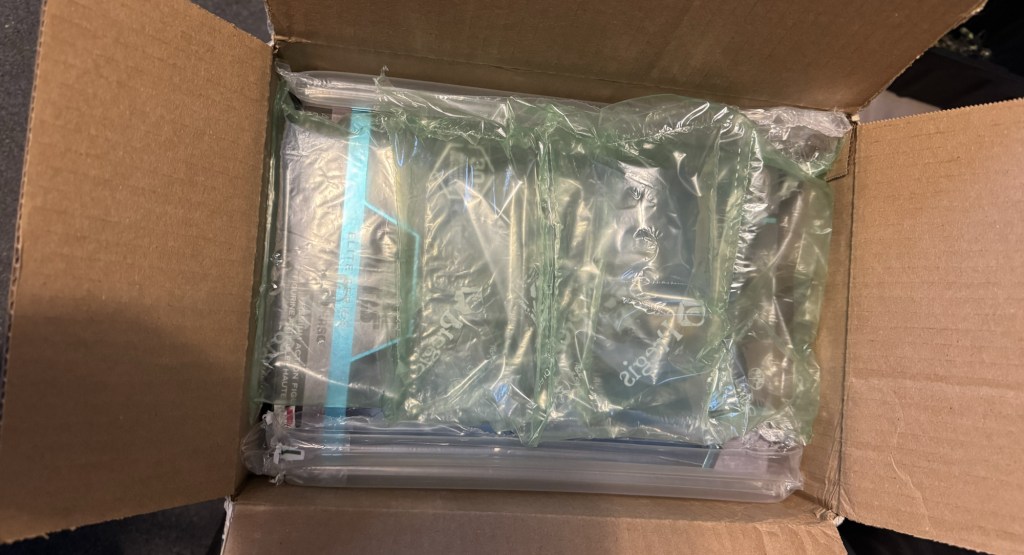
For the most part, they go above and beyond in the care they take to package and ship them. There are however, the few who are only interested in money, and they do not care about the toys themselves.
In cases like this there are ways to address this, but for the most part you are stuck with an item after you receive it, no matter what condition it is in.
Brick and mortar retailers
Now that we have discussed online purchases, it’s time to take a look at brick and mortar locations. These are typically comic book stores that have incorporated collectible toys.
Most adults who collect and read comics also collect toys as well, so it just makes sense to offer them in a comic book store. You’ll also find some locations that are strictly toy resellers, which are usually owned and operated by collector’s themselves.
Going into these stores provides collectors a rare opportunity to look at and inspect collectible toys in person. Often, you may find rare items that you are not aware of, or were not searching for.
It also gives a sense of connection and nostalgia that you don’t get to experience when shopping online, and I would encourage any collector to get out and find a store to visit.
That being said, there are some very important things that you need to be aware of. To begin, you need to understand where these toys originated from.
Not everyone who sells or trades items to these stores care about the toys, or the condition that they are in. More often than not, they are sold for money, and in that process things can be tricky.
Sometimes there are individuals who mislead the owners of these stores to make money. An example would be stating that a toy is sealed in the box, when in reality it was not.
I encountered a situation like this with several toys purchased from a well known comic book store. Items inside the box had been switched out in one instance, while pieces were missing in the other.
The most extreme example was a Star Wars Vintage Collection E-Wing in that collection that had dried blood on the side of it, even though it was supposed to be new in the box.
Though the owner made it right, it was the experience and the outcome that ruined it for me. In truth it was my error for not paying closer attention to the packaging.
I had become accustomed to trusting that particular business, that I had slacked off on how I inspected packaging. So, the lesson here is to first ask questions about where the toy came from, and then inspect the packaging!
Look at the corners of the box, look for signs of wear and tear, water damage, ext. You also need to inspect the tape sealing the package, and see if it has been tampered with, or has oil stains on it from someone’s fingerprints.
These are all tell-tell signs of it being opened or tampered with, which brings us to my next point about buying toys in a store: they get handled by everyone!
You do not know who touched it, if it was dropped, ext. and this is the most negative consequence of buying collectible toys from a brick and mortar retailer.
There are very few stores that sell collectible toys which keep them in some sort of display case where they cannot be handled. Most stores reserve those locations for their most expensive collectibles.
On the flip side of this coin, buying from an online reseller means getting a toy that typically has been owned by a single collector, in one location. That translates into less possibilities of damage.
So again, it is up to you as a collector to learn how to inspect toy packaging before you ever step foot in a store. It’s also up to you to be courteous to the owners, and wash your hands before going into their store and touching their product!
Last of all, I want to talk about cost. We have all encountered the evil scalpers who so wrongly buy bulk quantities in order take advantage of collectors, and truly there is a special place in hell reserved for them this very day.
No, what I wish to discuss is the cost of buying collectible toys in a brick and mortar store, versus buying them online. This is a touchy subject for some, but bear with me on this.
Gain versus loss
In reality, a toy is worth what you as the collector are willing to pay for it. By far, it is less expensive when buying them online from third party resellers, and the reason is simple.
Online resellers are typically selling their toys for a myriad of reasons, and will accept less, even if they know the current value of the toy they’re selling. Brick and mortar stores are the opposite.
If you sell a toy to them they typically offer forty percent of the average price the toy sold for on eBay, and I have a sneaking suspicion they always select the one that sold for the least amount.
They will then take said toy and flip it for a profit, marking it up as much as a hundred percent or more of the value! So you’re asking why?
It’s simple: these stores know they can get away with the price increase, because they have an established customer base. When they place a toy out for sale, they have customers in mind who they know will buy it if they can get them in the store to look at it.
It’s a scientific principal that all toy manufacturers marketing departments rely on. How they package and present a toy has as much to do with it being sold as the actual toy itself.
Brick and mortar stores who resell collectible toys rely on social media for fast advertising, and many also list items on eBay (shock, shock) to make money as well.
They are like sharks in the ocean looking for that autistic collector with ADHD and Schizophrenia who has to have their toys right now! That one child trapped in a man’s body who can’t stand to wait on the snails pace of the U.S. Postal Service is their best customer.
Poor bloke, he’s no idea it’s his money they’re after, and all he wants is his toy. That’s the reality you’ll find in a brick and mortar toy store.
They don’t care about you the collector; the reality is they’ll talk trash about you and laugh behind your back as soon as you walk out the door, and they start counting your cash towards that steak at Outback.
The other factor in cost is a more practical one. When you factor in how much it actually costs you to travel to said store and then buy a toy from them, compared to simply ordering it online, you can quickly see the difference in cost.
Where you choose to buy your toys and how can have a tremendous impact on your collection. The reality is it’s a lot of work! I typically spend hours going through listings, comparing them to stores that might have the item, to see which is the best offer.
In the end it’s up to you the collector how you go about searching for toys to add to your collection, and where you get them from.

