
Andor has become the last, best hope for Star Wars fans, as it represents a continuation in many ways of the familiarity of the original trilogy. The realism of the “used universe” concept is clearly evident, and that is due in part to a large number of practical and real-world sets being used for filming.
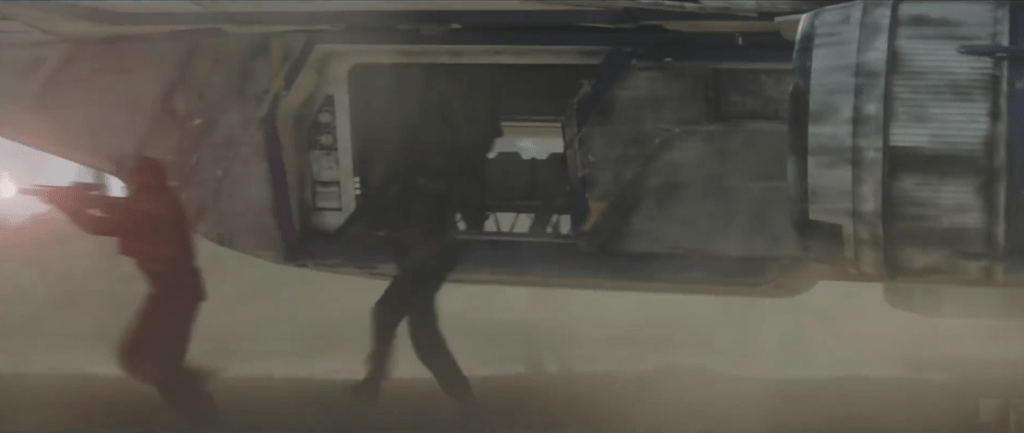
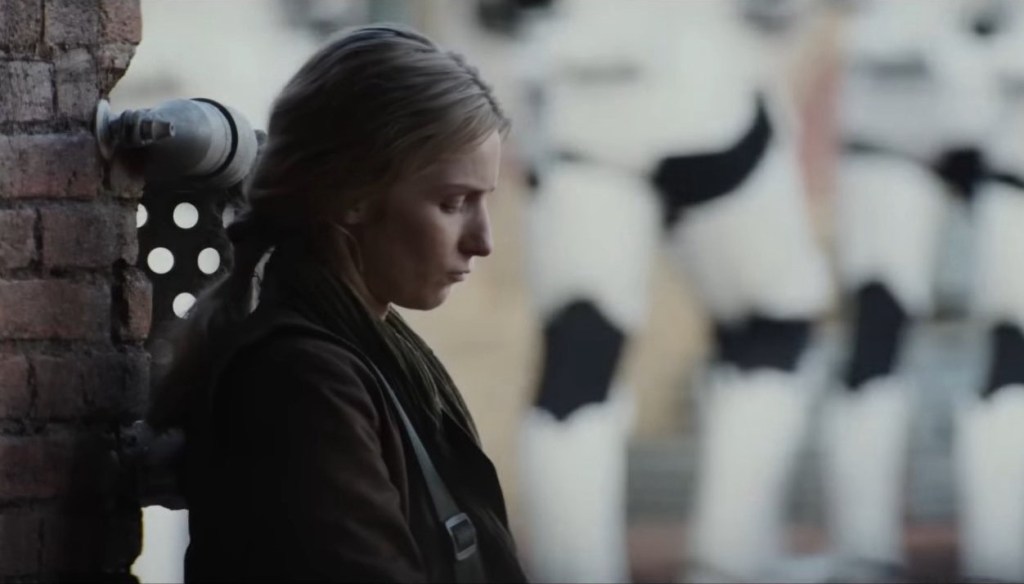
In Season two Episode eight, there are several things that I would like to briefly discuss that I found intriguing. To begin, I want to discuss the shootout scene in the Ghorman city center. For the most part I thought it was well done, although I did see some mistakes by actors portraying both Imperials and Insurgents.
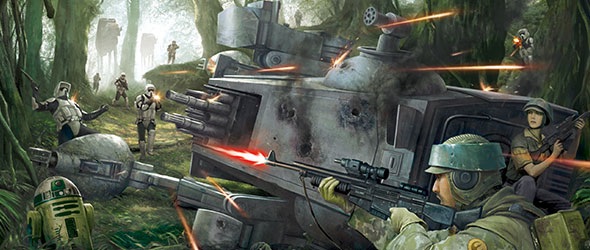
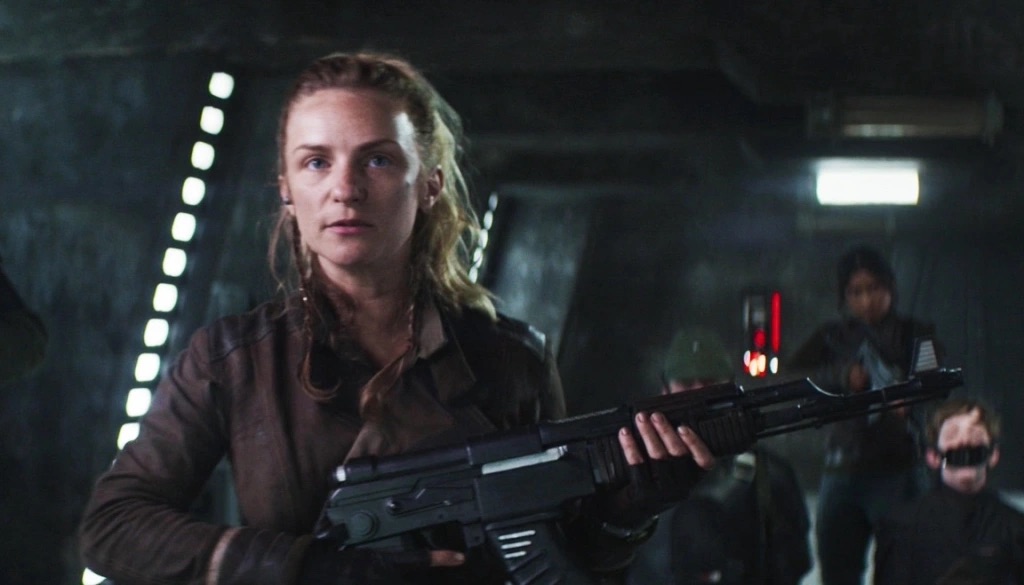
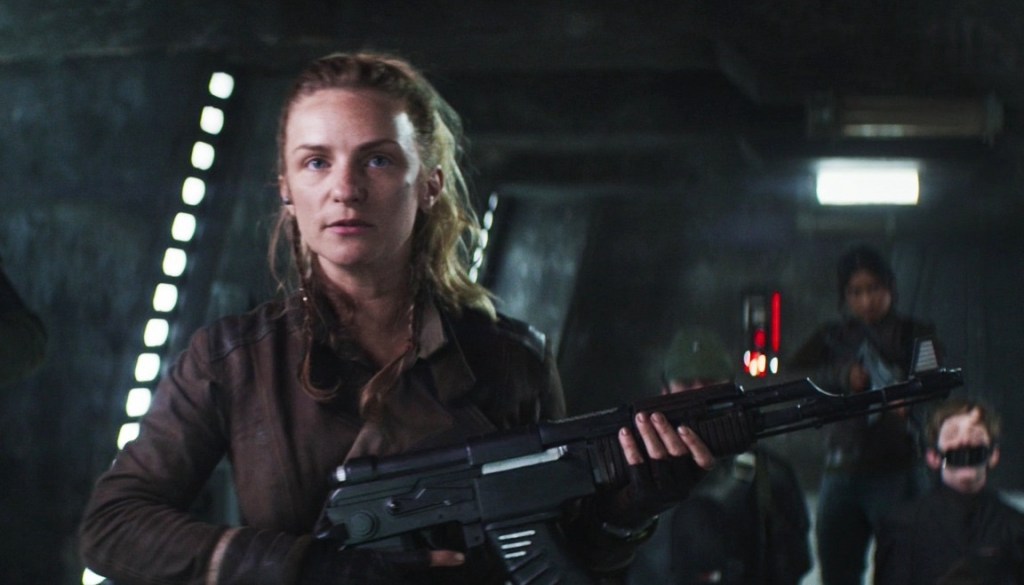
This was mostly related to improper weapons handling and manipulation; specifically with using blaster carbines without the shoulder stock extended. In one instance Cassian can be seen using a modular blaster with a macroscope, but no stock. That might work okay for point shooting, but not for long range work like he’s attempting.
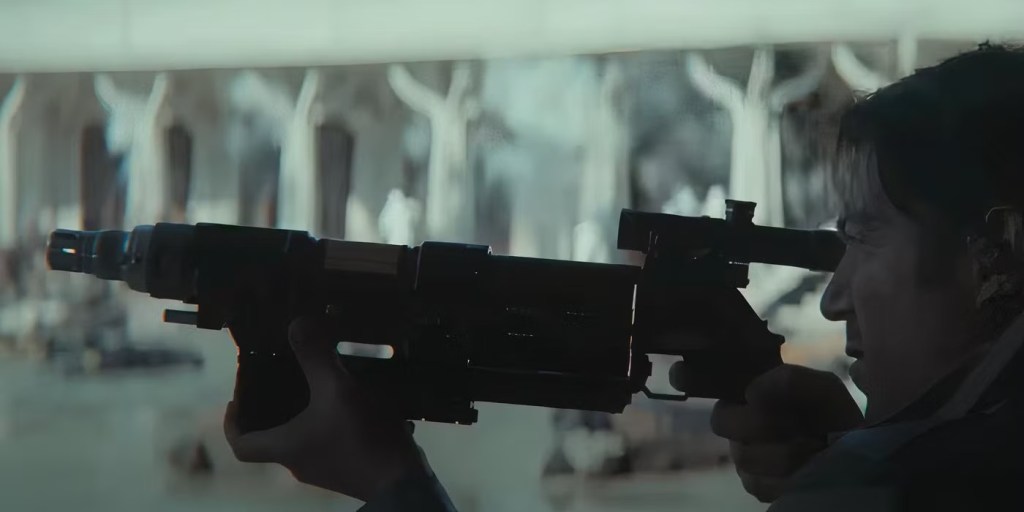
The reason being is that the small arms in the Star Wars universe may differ in their operation from the real-world weapons they are based on, but they are used in the same manner. Anyone who has watched the original trilogy or played Battlefront knows that blasters have recoil, so to suggest that you could use a long gun without a shoulder stock is an oversight by the Director.
Another aspect of the shoot-out scene is the sound of the blasters. Again, in the original trilogy as well as Battlefront and Battlefront 2, it is evident how loud these weapons are. Blasters do not shoot at the velocities of modern firearms, but they do produce a loud report when fired.
In Andor, the blaster fire seems to be intentionally toned down, which detracts from the authenticity and realism of the battle. In some instances, they do not even utilize the same sound effects for weapons such as the Blastech E-11s. This is not an issue that is reserved to this episode, but has been seen throughout this series, as well as others like The Book of Boba Fett, and The Mandalorian.
Syril Karn
I want to briefly discuss the Character of Syril Karn, whom I found to be an extremely disturbing individual. Syril has from the beginning been portrayed as a very ambitious individual, with an ego to match.
He has a desire to be someone of importance, a successful leader if you will. Within that however, we find someone who acts aggressively and impulsively at times. This it would seem indicates that he is at his core broken and insecure, which may stem from the way that his narcissistic mother treats him.
Being belittled as an adult by one’s own mother is humiliating, and both a perverted and unnatural experience to be subjected to. Syril then, seeks to compensate for this bullying by irrationally seeking some way to cope. For Syril, that coping mechanism is in becoming someone that he is not, in order to disprove to himself the lies that his mother has imposed upon him.
At each turn Syril acts on anger and impulse, which cause him great failure and misfortune. Even in his relationship with Deedra, he goes too far. First, by failing to acknowledge the Imperial rank structure and demanding to see her, and at others by speaking out of turn.
All of his failures come to an inflection point when he confronts Deedra about the false flag operation on Ghorman. Syril unleashes his anger on Deedra, forcefully choking her to ger her to talk. He then storms out of the office, and into the fray in the city center.
These impulsive decisions carried out by Syril, and driven by his own ego, lead to his demise. He attacks Cassian, and before he can kill him Syril is shot dead by the resistance leader with a single headshot. This scene was in my opinion, one of the most emotional in any series that I have ever witnessed.
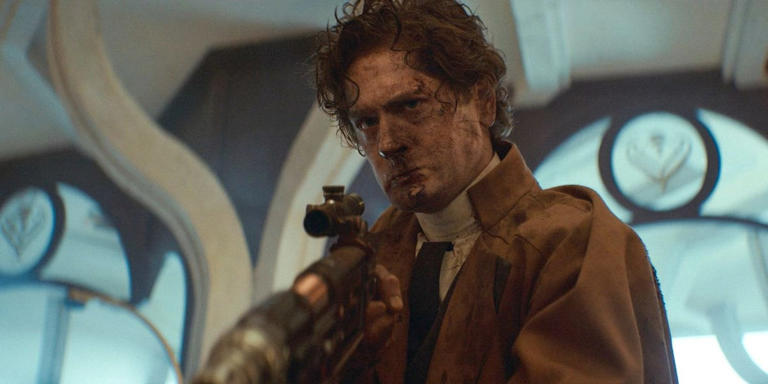
Syril for whatever reason, chose to continue his reckless pursuit of self-entitlement, and ended up as an unnecessary casualty of the war. Had he simply obeyed Deedra and left the planet, he would have never known the reality for which he was a willing participant.
I would suggest that Syril was lost in the balance of light and darkness. he had become aware of the evil of the Empire, but because of his uncontrollable rage, he forfeited any opportunity to make a difference by becoming a true rebel.
His death was shocking, and saddening. Seeing his lifeless body lying on the floor, shattered the lives of the only two people who cared anything about him. Had he chose to let go of his anger and extend his hand to Cassian, he would still be alive, and his life would have taken on a greater meaning.
It is a very real symbology of what we see in life every day. People who choose to act in anger, who feel entitled to act on aggression, destroy the lives of the innocent, as well as their own. They fail to grasp that forgiveness is a window, that can open their eyes to a path of peace and tranquility, where so many choose hate and violence.
As Cassian says to Jyn in Rogue One, “Let it go.” The act of revenge is not worth sacrificing one’s character and future for, under any circumstances.








 Dark Horizon Creations