

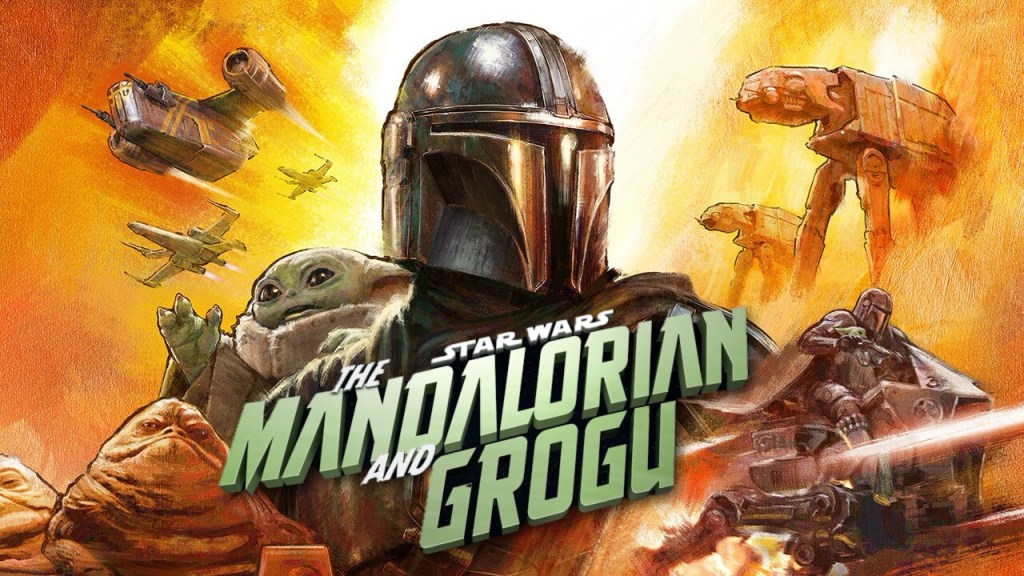
A review and discussion of The Mandalorian and Grogu live action motion picture
Introduction
When The Mandalorian first premiered on Disney Plus in 2019, we all had hopes that it would turn the page on an ugly chapter in the history of the Star Wars franchise.
The series was touted as being a galactic adventure of another bounty hunter clad in Beskar in a galaxy far, far, away. Many were the fans who clamored to its debut, drooling to be entertained by their new hero in a helmet.
Unfortunately, what we find is anything less than epic about the adventures of Din Djarin, and his new animatronic companion, but more on that later.
Right now I want to pull back the curtain on what so many have dismissed about The Mandalorian, and why their perspective is skewed by delusions of grandeur.
A moment of respite
In this, allow me to pause and provide some clarity and context for you the reader: I am writing this article strictly from the observations and perspective of an independent creative consultant and writer.
I have authorized dozens of articles during my time as a contributing columnist for Outer Rim News (who as agents of the Empire deleted them all as punishment for disagreeing with my views.
Well, I don’t bow to the dark lords of Disney, and I am not enslaved to the woke culture that has pervaded Lucasfilm, either.) I have also authored one manuscript for a Star Wars novel that was not published.
So, my opinion and perspective here is not influenced by allegiance, loyalty, or financial gain; I am not endorsed or sponsored by anyone.
This is rather, my own little autistic summary of the train wreck called The Mandalorian, being celebrated by the ignorant masses of misguided fans of Disney.
Lastly, no real spoilers will be provided here for those who have yet to throw away their credits on this hopeless tragedy of entertainment.
Galactic Gunslinger
To understand the errors made with the characters and show, we have to begin by going back to what the writer’s used as inspiration.
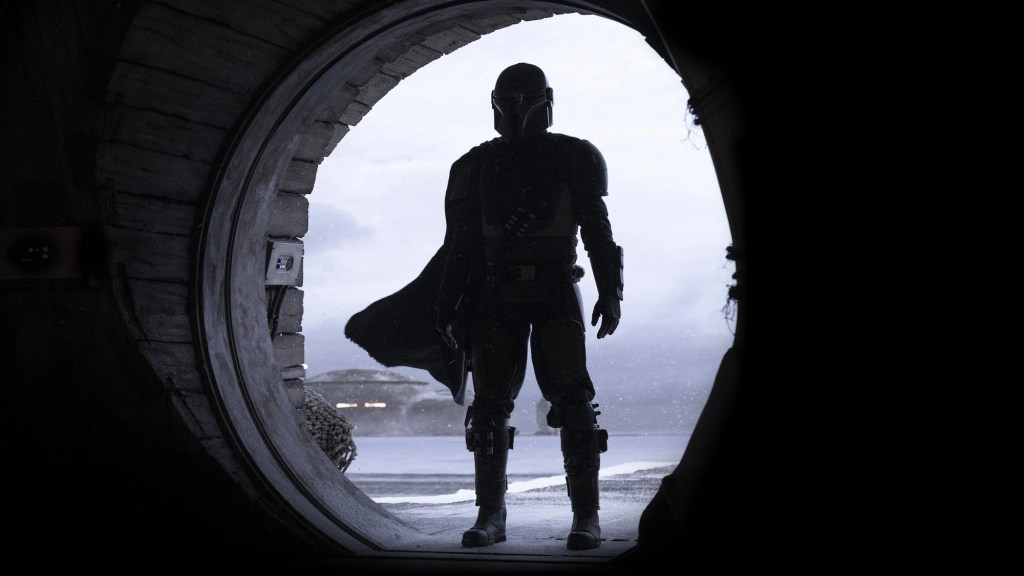
One of the primary sources that they drew from are the concepts found in the spaghetti westerns of old. The lone, stoic anti-hero who rides into town unannounced.
The protagonist who traveled alone or with few companions, used few words, who spoke in a hushed tone, and was also armed and well respected.
These are all concepts which originated in Japanese film lore, such as that made famous by Akira Kurosawa, before being adopted by western film makers.
In addition, the creators of The Mandalorian also drew inspiration from the Saturday morning serials of the fifties, which were short, episodic live action films that were popular in their day.
They were a unique story telling platform that was used to introduce viewers to characters who engaged in stories of adventure and suspense.
These stories were broken down into ten minute segments over a period of three weeks. Each episode ended in a cliff hanger, until the final episode closed out that particular story.
It is from these same concepts that George Lucas drew much of his inspiration for various aspects in the original Star Wars trilogy.
So, for The Mandalorian, we find all of these concepts woven into the character of Din Djarin, as well as the show itself.
The story structure, the dialogue between characters, the pacing, and cinematography are all nearly identical to what you found in the old spaghetti westerns.
So when you look at The Mandalorian, what you should see is a galactic gunslinger, outcast on a new quest every episode or every few episodes.
This then would provide audiences with the appeal of returning week after week, looking for new adventures, with new characters, in different situations.
With that said, it would seem from a certain point of view, that the show did this from the beginning, and in many ways it did.
There is one element however, which would prove the show to be the failure that it was destined to become from the beginning.
The Macguffin
Not found in any McDonald’s happy meal is the Macguffin. What is a Macguffin you ask? Simply put, a Macguffin is a plot device that writers use to advance the narrative and plot of a story.
In The Mandalorian, the Macguffin is none other than a fifteen inch tall, fifty thousand dollar animatronic puppet called Grogu.
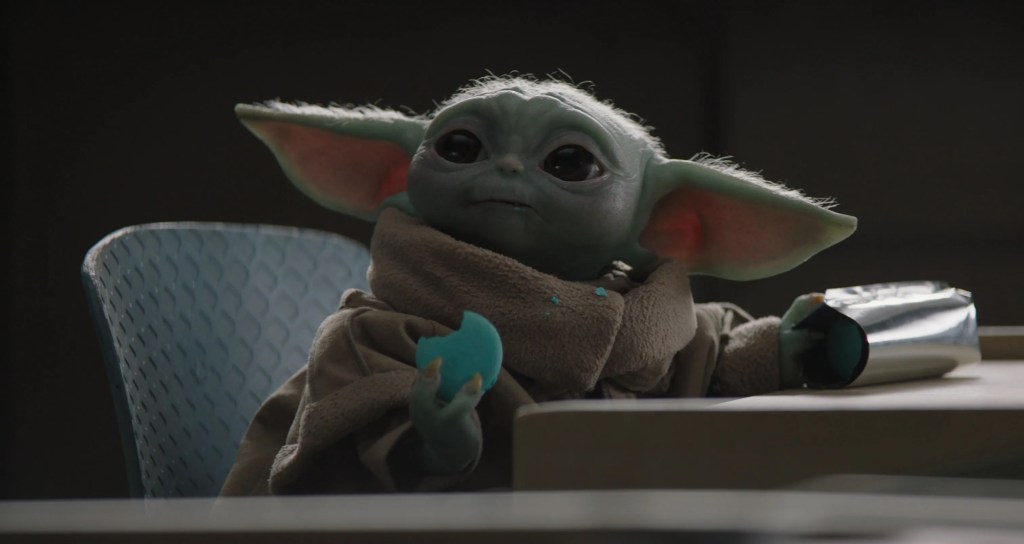
From the very beginning, Grogu was meant to be both a Macguffin, as well as a marketing device for the series.
Disney capitalized on the attractiveness and mystery of this strange little being to do their bidding. Specifically, they introduced Grogu to make money, and lots of it.
This is ultimately the paradox of not only The Mandalorian, but also the Star Wars franchise as a whole, under the domination of Disney.
Long gone are the days of George Lucas, who used his gifts as a writer and director in order to tell stories. Specifically, Star Wars.
The heart of the franchise was found in the far flung reaches of Lucas’ creativity and imagination. Story telling in other words drove his success.
The reason is simple: Lucas focused entirely on content and quality, not marketing. He understood that financial gain could not be his motivation for making a movie to begin with.
It’s this originality that Hollywood has divorced, in favor of using nostalgia to attract viewers, in order to build an audience to market to.
Disney is first and foremost a marketing experience, and they are experts at it. They’ve had one hundred years to perfect it, and their portfolio of investments supports it.
They are the global leader in entertainment, with an annual revenue of just under one hundred billion dollars.
Their acquisition of Lucasfilm in 2012 had zero to do with them wanting to become the care takers of the Star Wars franchise, but was and is about profit.
So when you see Grogu in literally every episode of The Mandalorian, that is not by chance or coincidence. It is not because he is needed there.
Take for a moment any episode, and remove Grogu from it. There isn’t one that couldn’t be adapted to progress without him.
When you view it from that angle, you begin to understand that he’s the bait for the viewer, and not just a plot device that’s an integral part of the story.
By all accounts, Grogu is one of Disney’s additions to the Star Wars universe that detracts from the mystery and uniqueness of it.
Not every thing in a movie needs an explanation; sometimes the criticality of a thing, such as the Force, is the fact that we don’t know everything about it, or understand it all.
That acceptance makes a character or a thing all the more unique. Yoda was given no back story by George Lucas, and no identity of his species or where he was from.
Grogu in many ways detracts from that unique aspect of the story as a whole. So you can see how he isn’t the cute little creature that Disney hopes you think he is.
Facts and figures
So, when you go out and watch The Mandalorian and Grogu in theaters, you are looking at a very lengthy television episode made for theaters.
In fact, Jon Favreau stated himself that he and the writers had penned a script for The Mandalorian season four, however Disney wanted a live action movie instead.
So they shelved season four and shifted to creating a movie. That movie as of this writing cost one hundred and sixty four million dollars to produce, and has earned less than that after four days at the box office.
That means it is the lowest grossing Star Wars movie to date, and has not broke even with its production costs. That is very telling of what fans think of this latest attempt by the mouse to use the force.
Conclusions
Yes, there were some cool moments in this movie. Seeing Sigourney Weaver as a New Republic Officer was cool. Starfighters being utilized to great effect, also cool.
Probably the best scene was the U-Wing being in the middle of a dog fight. Far be it from me to frown on a Hutt joining the New Republic, but the lack of creativity in that decision baffled me.
I began to wonder about the Expanded Universe? Has anyone involved with this film not read about the Hutt Empire? I guess not.
For me personally, I am past seeing any hope in Star Wars being what it once was. I collect the books and toys, and have played Battlefront in the days gone by. For now, I remain an Original Trilogy fan, and always will.
May the Force be with you.

