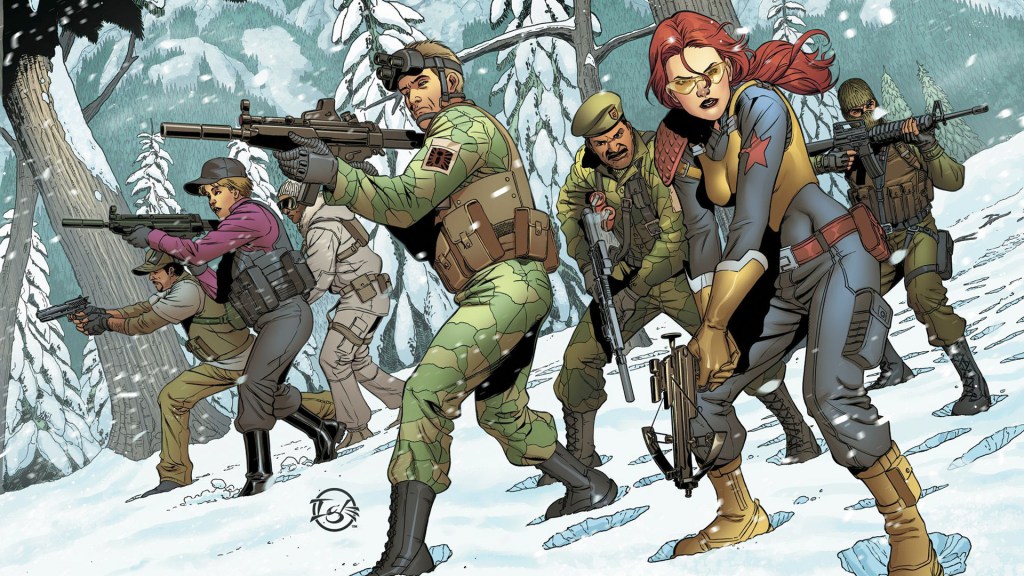
When discussing terrorist groups, there are two types that you hear about most on the news: Domestic Terrorist Organizations (DTOs) and Foreign Terrorist Organizations (FTOs). Either of these can be self-sustaining, or state sponsored groups, and they can range from a disorganized band of informally trained civilians, to professionally trained mercenaries, and former soldiers in a highly trained organization. There are currently seventy-two groups listed as Foreign Terrorist Organizations on the FBI’s Counter-Terrorism website.
All are independent groups working in specific countries or regions of the Middle East and North Africa (MENA), Central and South America, Europe, and Southern Asia. Some are off shoots of the same organization, with various regional identities having no formal ties to the host organization that they claim to represent. What isn’t on the list is one group that has evaded detection for years, and operates in the shadows on every continent.
It began as an attempt for revenge by a mentally deranged business entrepreneur from Springfield, Illinois. His brother lost his life in a car accident as a result of driving while intoxicated, and it started him down a dark path to revenge. He sold his home out from under his wife, stole her savings, and abandoned her and their son. He began financing domestic terrorist operations right here on American soil, and within just a few years his plot for revenge had evolved into a multi million-dollar enterprise.
He began investing in everything from communications to pharmaceuticals, to infrastructure and transportation. This shadow organization soon eclipsed even the most well-funded criminal and terrorist groups anywhere in the world. No one knew who they were, or where they were located. The scant intelligence that was gathered from other terrorist organizations all pointed to someone and something much deadlier, and much more powerful than anyone could imagine. That threat is Cobra. It is an emerging global entity, with assets, informants, and operatives in every country, and in every sector of society.
it is the single largest terrorist organization in the history of the world, and its exact numbers are unknown. As part of our ISR mission, we have pieced together intel from a source in Kosovo who is familiar with their recruiters, and what the requirements are to join Cobra. To begin, no one approaches Cobra, they approach you. Depending upon who you and where you are, it may be an invitation to a business dinner, or a football game. For others it’s a meeting outside of town at a local pub. Each candidate has already been screened for their background and familial history and ties, and then offered an opportunity to change their lifestyle.
Those who accept, are further evaluated for their loyalty before being whisked away to an undisclosed Island for training. Here we have learned that all Cobra recruits go through the same month-long assessment and selection process. We’re told that their training was designed and run by a former Blade with the New Zealand SAS Regiment, and that recruits are evaluated on a scaled back version of the Regiments selection process. If they succeed, they must undergo another psychological evaluation, before swearing total allegiance to Cobra Commander, the organizations founder and DeFacto leader.
If a candidate fails or is rejected by Cobra Commander, they are killed, and their bodies are either burned on the island, or weighted down and dumped off shore. Candidates who pass are put through Cobra’s infantry training program, which involves extensive small arms and small team tactics training. Depending upon the needs of the organization, some recruits receive advanced training in tracked and wheeled vehicles, demolitions, and target interdiction. We have also learned from our source that Cobra has its own Special Operations unit called Vipers.
These soldiers are said to be experts in Close Quarters Battle, urban combat, and desert warfare. They are also reported to train in Psychological Warfare operations, and used for Direct Action Missions. They are for Cobra what G.I. Joe is for the United States. These soldiers are reportedly hand-picked for a year long, advanced selection and training process, before being allowed to become a Viper. According to our source most recruits are sent back to their homes upon completion of their training, to be utilized as assets as needed.
This expansive network of human informants and operators loyal to Cobra Commander gives him unprecedented access and reach, into every sector of the world’s governments and societies. According to our source Cobra Commander is determined to rule the world through blackmail, fear, and intimidation. Their ability to continue to strike at targets and escape unseen means that there is more at play than we realize, and that puts us behind the curve. Now that we know what it takes to join Cobra, maybe we can use that to our advantage in the near future.
I have been a fan of G.I. Joe for the past thirty-nine years, and tonight I want to discuss a subject that I have never seen anyone address until now, and that is what it would take to become a member of G.I. Joe if they were a real military unit. I am writing this article as a subject matter expert on the franchise, and taking information from the cartoons, comics, live action films, and toy line. I’m also basing it upon my knowledge of the special operations community, having spent the past thirteen years training with retired military special operations personnel.
To begin, we’re all familiar with the tag line that “G.I. Joe is America’s daring and highly trained special missions force.” The key is Special Missions Force, or Unit. If G.I. Joe were real, then it would be classified as a Special Missions Unit, or SMU. These are Tier One Special Operations organizations that conduct classified operations such as Direct Action, Hostage Rescue, Special Reconnaissance, and eliminating High Value Targets, or HVTs.
SMUs recruit candidates from Tier 02 and Tier 03 military units, but are not limited to them for selecting the right candidate. An example of a Tier 02 unit would be the U.S. Army Green Berets (Special Forces, Airborne) while a Tier 03 unit would be the 82nd Airborne Division. Candidates must meet a minimum set of requirements for that specific SMU in order to attend their selection course, and usually requires them to be a certain age, rank, and be able to meet a minimum physical training standard, as well as qualify for a Top-Secret security clearance.
Depending upon the unit, selection will vary, but is most often a month-long course designed to test a candidate’s abilities and commitment. They are looking for individuals who can think for themselves, and outside of the box. They must not only be able to endure physical stress, but they must also demonstrate the mental discipline required to complete selection as well. Candidates are constantly evaluated throughout the selection process by both the cadre’, as well as clinical psychologists who are watching the candidates during selection.
Those who complete selection usually undergo a lengthy psychological evaluation, followed by a six-month long training course specific to that unit. The attrition rates during selection can be greater than ninety percent, and as high as fifty percent during the unit training phase. So now that you have a basic understanding of what a Tier One unit is, and what is required to join, what would that look like for G.I. Joe? Would it be the same, would it be different, or would you be selected right off of the street?
To begin, G.I. Joe is classified as a compartmentalized unit within the United States Army, and does not fall under any conventional chain of command. The Commander would report directly to the Chairman of the Joint Chiefs of Staff (JCS), who in turn would report directly to the National Command Authority (NCA). G.I. Joe would be considered a Tier One unit, because that classification exists to determine the funding of the units within the Special Operations community, more so than it does to identify with their skill levels.
G.I. Joe was in fact inspired and modeled after a real-world Counter -Terrorist Unit, and that would be their primary role. That however, is where the similarities between G.I. Joe and other Tier One units would end. Despite being a U.S. Army unit, G.I. Joe would in reality be a multinational strike force, comprised of candidates from Special Operations units from around the world. These would be the very best of the best men and women in their respective fields of expertise. G.I. Joe itself is an acronym for Global Integrated Joint Operating Entity, and it would be the first and only unit of its kind.
It would require unprecedented diplomatic authority and immunity in order to carry out its mission, and would also become the most secretive unit in any military known to exist. In many ways, G.I. Joe operates and is structured as its own branch of the military, having both the assets, capability, and personnel to deploy anywhere in the world, by air, land, and sea. Where other Special Operations units would be required to coordinate and rely upon other conventional military units for logistical support, G.I. Joe would have no such requirement.
They would operate out of a fixed, permanent base at a classified location in the United States, as well as being forward deployed on their own aircraft carrier, the U.S.S. Flagg (CVNJ-99). In addition, such a unit would be expected to maintain a small operational contingency deployed in strategic locations around the globe. G.I. Joe would maintain and operate their own air and land assets as well, meaning they have the capability to deploy to and operate in any environment, and be there in under eighteen hours of getting an alert. Their unique capabilities set the G.I. Joe team apart from any other unit in existence. As General Hawk stated to Duke in The Rise of Cobra: “when all else fails, we don’t.”
So, who would be qualified to go through the selection process for G.I. Joe, and what would that entail? To begin, G.I. Joe would not limit their candidates to a particular unit or branch of the military. They would select candidates based upon the needs of the unit, and would set similar standards as those in use by current Tier One units around the world. A candidate would have to meet certain requirements such as age, experience, qualifications, and rank. Trust is paramount within the ranks of G.I. Joe, and having the right people is key to their success and survival. I know of at least one civilian (Agent Helix), who was recruited to the G.I. Joe team, and both her existence and identity were kept secret from the rest of the unit.
That would be unprecedented in any other modern unit, in any military that I am aware of, but not within the ranks of G.I. Joe. The needs of the unit would dictate who is selected, and candidates outside of the military may be the exception to the rule, but they would not be excluded. The selection process itself would also be much different, as candidates would not be told the identity of the unit that they are volunteering for. They would be required to sign a Non-Disclosure Agreement, and would undergo an extensive security screening conducted by Counter Intelligence operatives within the G.I. Joe unit, before being accepted to selection.
These highly trained agents would conduct interviews of the candidate’s family, friends, and neighbors, as well as looking at their criminal and financial backgrounds. They would look at every area of their lives, seeking out any reason that the candidates would be disqualified from being trusted to become a unit member. Due to the needs of the unit, team members might also seek out candidates that they have identified through current military records, and attempt to evaluate them through selective and informal exercises and tests, without them being committed to the selection process.
They would do the same for any civilian they may have identified who meets both the physical fitness standards, as well as possessing the skillsets that they are interested in or looking for. Once a candidate was approved for selection, they would receive orders to report for selection, and would be discreetly transported by commercial means to a pre-disclosed location. Upon arrival the candidates would meet up with a cadre’ member who would then escort them to the training site. Unlike other units, G.I. Joe would conceal from the candidates where their training would be conducted, and how long it would last. They would be kept in the dark, and would be briefed on only what they needed to know for operational safety, security, and training purposes.
Each candidate would be evaluated with a preliminary physical fitness test on day one, and upon successful completion of that, they would then continue the selection process. Unlike other SMUs however, selection for G.I. Joe would not be a rehash from their old units. Candidates would be evaluated through continuous evolutions designed to engage their thought process, while under extreme physical duress and stress. The cadre would be looking for individuals with a passive aggressive personality, who could keep their composure while under stress. The candidates would be required to conduct land navigation exercises over mountain terrain, wearing heavy rucks, while under an imposed and unknown time limit.
They would be tested on their ability to problem solve under fire, and conduct missions while rescuing downed team members. The cadre’ would want to know if the candidate meets their standards, and if they have the right attitude and mindset. If the candidates successfully complete the selection process, they would go on to complete a psychological evaluation, and if selected, would then continue their training with the G.I. Joe unit. Like other SMUs, G.I. Joe would conduct a six-month Operator Training Course, divided into training blocks for specific skills. Candidates would receive advanced training to become surgical shooters with small arms and sniper rifles, breaching, and Close Quarters Battle.
They would conduct Combined training exercises putting all of their skills to work, and then move on to more specialized skills training that is specific to the G.I. Joe team. If the candidates successfully completed the Operator Training Course, they would then be assigned to an operational team within the G.I. Joe unit, where they would continue to train when not deployed. So now you know what it would take to become a part of G.I. Joe, America’s top secret and highly trained Special Missions Unit. Next week, we will look at what it takes to become a member of COBRA!
For years I had looked with envy at countless images online of Star Wars fans who cosplayed as their favorite characters from the franchise. It was something that I wanted to do, but couldn’t afford, and wasn’t confident enough to attempt to make on my own. Still, the desire was there, so I began doing research to determine where to begin. One of the first sites that I looked at was the Rebel Legion, which is an “official” cosplay group of sorts for characters within the Rebel Alliance.
To be accepted in the Legion, your cosplay has to meet their requirements of being screen accurate, right down to the identical materials used for the outfit on screen. They of course state on their website that it is meant to be a guide, however it still must meet their approval in order to be accepted, and then there are other requirements for membership as well. Being Autistic I knew that I could not meet their requirements, so I began to consider alternative options for creating a unique cosplay.
I knew that I did not want to cosplay as any of the known characters on screen. It always bothered me how all of the images that I came across were people dressing up as the same character! Though I understood their love and passion for the character, i did not share their desire to emulate them. I wanted something bland, normal, and yet unique. I wanted something that matched my personality, but was still within the Star Wars universe.
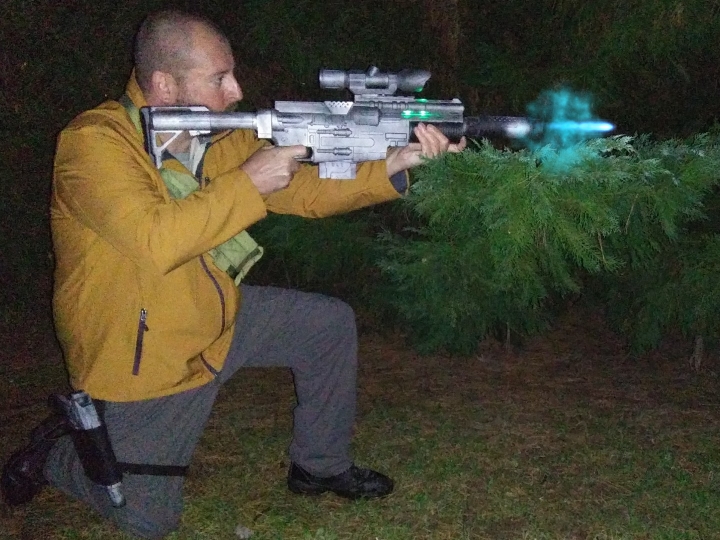
In early 2019 I had begun writing the manuscript for a Star Wars legends novel entitled Star Wars Rebel Destiny ( That manuscript was recently completed, and awaiting to be reviewed by the publisher). In the novel one of the protagonists is a member of the Alliance Army SpecForces, so In October of 2019 I set out to make a cosplay outfit based on my description of the character. Rebel SpecForces operating on a non-permissive world would not be in camo fatigues like the guys on Endor, but rather civilian clothes. Cargo pants, utility shirts, and civilian jackets.
They would be carrying blaster pistols, and have rifles that could easily be broken down and concealed in a backpack or other bag used by the local populace. They would have bandoliers for their weapon power packs, which could easily and quickly be stowed in the same pack, and then quickly removed when needed. Unlike bulky body armor, bandoliers are lightweight, simple, and easy to carry and conceal.
Building off of that, I went out and purchased a Wrangler long sleeve outdoor shirt from my local Wal-Mart. I began by using a pair of scissors to cut off the excess collar, and creating a stand up collar for the shirt. I then removed the buttons from the front of the shirt, and the flaps on the chest pockets. I used Khaki fabric of identical color to the shirt, as well as Velcro to create a flap to secure the front of the shirt and the pockets. I then rolled the sleeves halfway up, as this seems to be used often by characters within the franchise.
Shirt that I made with bandolier
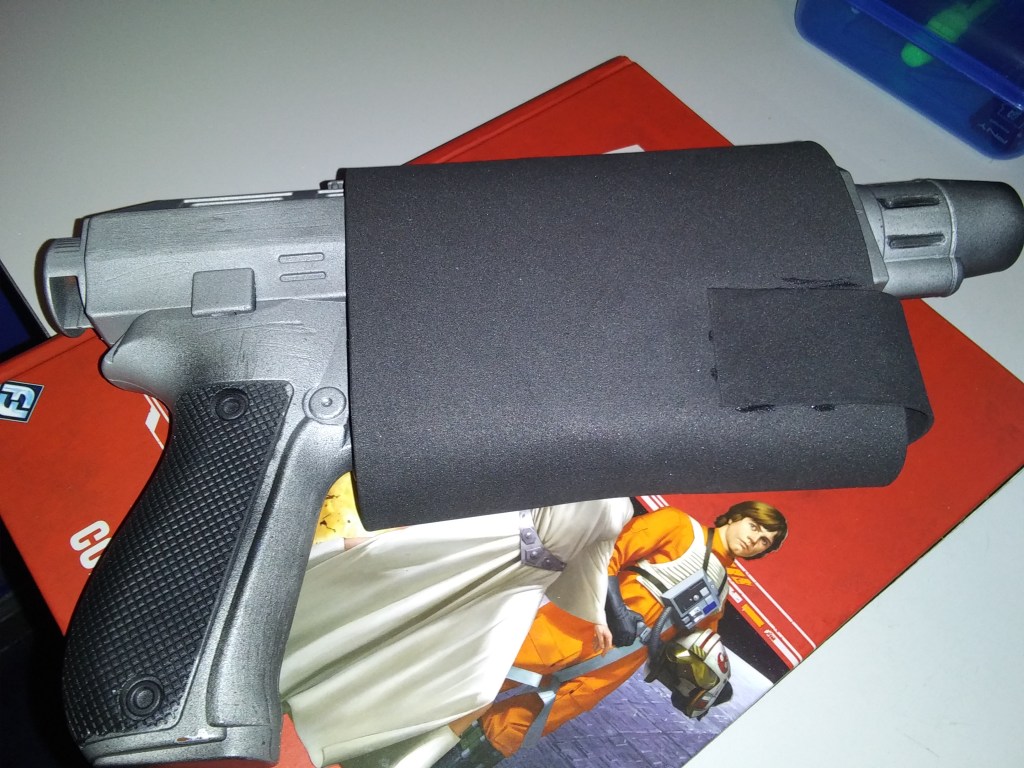
I ordered an Olive Drab Mosin Nagant bandolier from Amazon, and used a pair of existing Grey Wrangler cargo pants. I did not have the ability or material to create a rectangular belt buckle, so I used an existing Trainer’s belt by 5-11. I used an identical and larger sized belt for the gun belt. For the sidearm I chose to go with the Poe Dameron Nerf blaster, which is a replica of the Eirriss Ryloth Defense Tech Glie-44 Blaster Pistol. Though used on screen in the sequels, it was widely in use during the Galactic Civil War. I disassembled it and repainted it in Black and Gunmetal using Kyrlon spray paint. I made a holster for it using craft foam and Plasti-Dip.
Glie-44 combat blaster pistol and holster
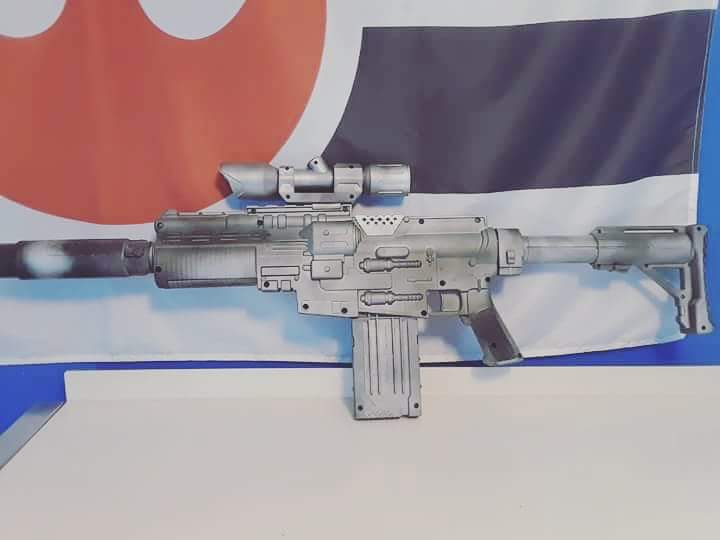
For the blaster rifle I used the Cassian Andor Nerf blaster, which is based upon the Blastech A280-CFE. This is an updated and more powerful version of the standard A280 rifles used by the SpecForces on Endor. I completely disassembled it, and then used Krylon and Duplicolor spray paints to repaint it in Gunmetal Grey.
Blastech A280-CFE Blaster rifle
I completed my cosplay of the Rebel SpecForces character in time for Halloween, and went out that day and took some pics in a local Pine forest. I was extremely happy with the results, and took more photos the following month. Though I haven’t attempted any cosplay since then, it did allow me to learn some things first hand, and I got to experience all of the thrill of the moment that I was looking for. Still, I would have really liked to have shared that experience with other cosplayers who wanted to bring that Star Wars Battlefront vibe to life.
I think that the Rebel Legion is good for what it is, but it’s not the right outlet for me. I do not entirely agree with their standards, though I do understand why they exist and are utilized. I think that there should be an option for those like myself who want to cosplay in a group, but are not required to adhere to strict rules for background or general characters, and that isn’t seeking to be in the public eye through events, parades, and the like. The one notable aspect of the Legion is that they are involved in charities, which I wholeheartedly support. They are in a unique position to be able to carry out such things, and I applaud them for it.
My goals are focused entirely upon cosplaying for the purpose of photography and role playing. It allows me the opportunity to be immersed in the Star Wars universe in a more tangible way, without being involved in a group or organization.
In the image below is a figure released in Q3 of 2019, the Imperial Stormtrooper from Rogue One: A Star Wars Story.
It’s a figure that I wanted to use as a troop builder, and had planned to buy at least two squads of them ( sixteen figures in all).
Recently I couldn’t find it at retail, so I began searching for it online, and I have to admit that I was both shocked and upset by what I found.
On average the figure was selling for roughly thirty dollars, which is more than double it’s original Manufacturers Suggested Retail Price ( MSRP).
I ended up buying three of them for sixty five dollars on Ebay; far short of my intended goal thus far.
I wanted to take a moment and share with everyone some details on this figure, as well as some of the factors that may have contributed to the small fortune that I’m preparing to invest into a group of Stormtroopers.
Though there have been many variations on this figure released over the years, this one has been considered the best sculpt yet, Perhaps that’s one of the reasons why it’s value on the secondary market has more than doubled in less than a year.
Generally speaking, you don’t see too many figures that jump in value in such a short period of time, without them being considered rare.
Moreover, the Vintage Collection consists of super articulated figures, with many being re- released with Hasbro’s proprietary Photo Real technology for collectors.
Still, it’s hard to grasp a Stormtrooper being catapulted to such demand; or is it? One of the things that you have to learn as a collector is that a figure is essentially worth what you are willing to pay for it.
It is still a toy, however toys in general can become extremely collectible, and Star Wars is certainly no exception.
When action figures for A New Hope were first revealed in 1977, they sold out before they were even produced, causing Kenner to issue early bird certificates for the following year.
Star Wars toy sales continued to exceed expectations through 1983, before beginning to decline after the release of Return of the Jedi.
The line was revived in 1995, where again, it continued to see demand among collectors. Though Hasbro had plans to cancel the line in the early 2000s, it didn’t happen, and the brand has been on store shelves ever since.
Beginning in 2015 sales began a sharp decline, and Hasbro has lost an estimated 500 million in revenue in Star Wars toys over the last five years.
The sequel films by Disney have raked in the cash, but have not been received well by fans. In addition, Hasbro has made changes to the Star Wars line, which has also affected what they produce and in what quantity.
Generally speaking the bulk of Hasbro’s toy sales for Star Wars comes from adult collectors, so it only makes sense to invest more into marketing to collectors than kids.
Until 2019 Star Wars always featured a basic assortment of figures that were 3.75 inches in height, and had a minimum amount of articulation (five POA in most cases), as well as playsets and vehicles to accompany them.
Basic Assortment figure from Star Wars The Force Awakens (2015)
Last year that changed with the discontinuation of the 5 POA line, which most likely was done as a cost saving measure due in part to poor sales.
The focus then, was placed upon the highly successful Vintage Collection, an ongoing line of super articulated and highly detailed 3.75 action figures.
The line initially ran from 2010 until 2013, before being brought back in 2018. It is now Hasbro’s only 3.75 production line for the Star Wars brand.
The Vintage Collection also features vehicles and ships that are more accurately scaled, and highly detailed, with multiple features for collectors.
One of the aspects of this line has been to re-release certain figures, and the Imperial Stormtrooper is one of those.
Taking the Stormtroopers from Rogue One as a guide, the new Vintage Collection figure has been referred to by collector’s as the most detailed version of the trooper yet, and perhaps that is one reason for it’s increase in value.
The Vintage Collection Rogue One Stormtrooper (2019)
Other factors may be due to poor distribution by retailers, particularly Wal-Mart, who is known for placing these figures on clearance within a couple of months of being released.
Another factor may be a limited production run, which would have contributed to greater demand on the collector’s market.
Also to be considered is future product being halted by the Coronavirus outbreak. Though Hasbro had already shifted some of it’s production to Vietnam in 2017, it is conceivable that they were still using production facilities in China, which have all been closed for the foreseeable future.
This means that all planned waves will be delayed, and this was made clear at New York Toy Fair this past weekend. Often future waves will feature at least one repack, and the Rogue One Stormtrooper is one of those.
The final aspect that drives cost on the secondary market is scalping, which unfortunately is an all too common occurrence.
There are people out there who are fans or otherwise, and who keep track of the values of these figures, and use that to take advantage of people like myself who couldn’t find the figure at retail, and are then forced to pay whatever they demand in order to get it.
Sadly, there are online toy retailers who do the same thing. Ultimately, it’s up to you as a collector to decide if you’re willing to pay what a buyer is asking, or to wait it out and see if the price drops within the next quarter.
Generally speaking if the item is out of production you can expect the value to continue to increase, and with it it’s cost on the secondary market.
This is when you have to learn to patiently search every site and every listing in order to get the best price for a particular item.
Though time consuming, It’s quite fun in it’s own right shopping for toys. Before I became disabled I used to drive hundreds of miles and spend an equal amount of money searching for action figures and vehicles for my collection.
I hope that this article has both entertained and informed you on some of the aspects of collecting Star Wars action figures, and why they sale for what they do.
Perhaps you aren’t a collector or fan, but perhaps now that you have gained some new insight into what drives those of us who are, you will have gained a new appreciation and understanding into toy collecting as both a hobby and a passion. Until next time, Good hunting, and May the Force be with you!
What happened to G.I. Joe? It’s a question that I’ve found myself asking more than once over the years; particularly since G.I. Joe The Rise of Cobra hit theaters back in 2009.
I’m a big fan of the franchise, having grown up watching the cartoon, and owning most of the original toys from the 3.75 line, as well as some of the Hall of Fame twelve inch figures in the nineties.
G.I. Joe represented the pinnacle of boy’s toys, and was a great moral example to all of America’s youth, finding fans in both it’s intended market, as well as with young girls.
That’s right; G.I. Joe kicked ken out of the doll house, and stole Barbie’s heart from day one, and we’ve never looked back!
All kidding aside, that’s how great G.I. Joe became, and how fun it was to play with them. So what happened to America’s favorite hero?
In all honesty, that depends on who you ask, as well as what their involvement is in the franchise. In this article I’m going to present a brief overview of the history of G.I. Joe, and attempt to answer that question based upon the Intel at hand.
Humble Beginnings
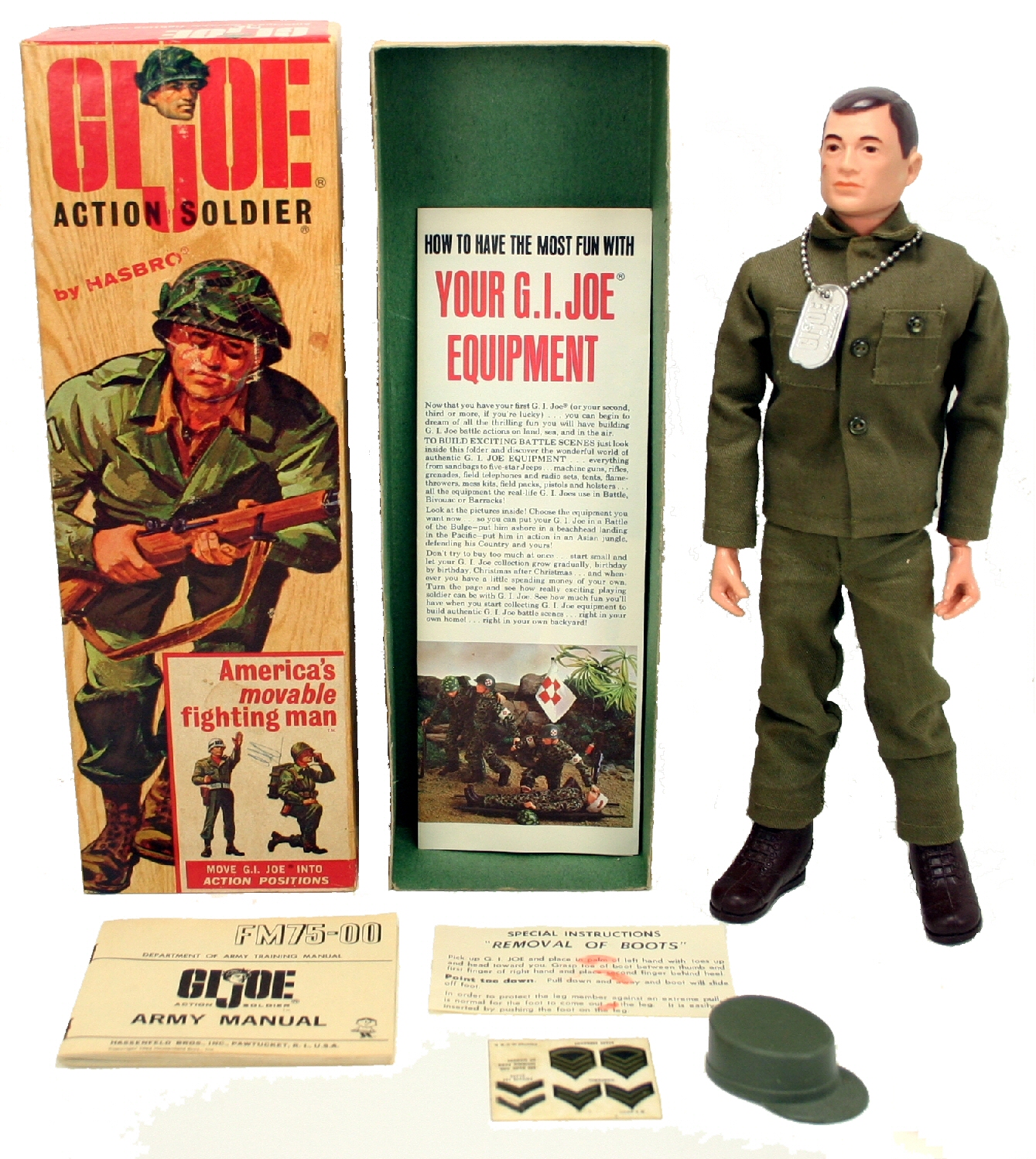
G.I. Joe was originally created in 1963 by a licensing agent in Manhattan named Stan Weston. Mr. Weston actually made the first prototypes of a twelve inch action figure himself.
He eventually showed them to an executive at Hasbro named Donald Levine. Weston subsequently sold the license for G.I. Joe to Hasbro for One hundred thousand dollars.
Whether or not Weston was entitled to a percentage of any of the profits in his contract is unclear, however the success of G.I. Joe is not.
One of the most important decisions made by Hasbro early on involved the marketing of their new product. It was not acceptable to call G.I. Joe a doll, as no parent would buy their son a doll made for boys.
Instead, the term “Action Figure” was coined by Levine to describe G.I. Joe, and the figures were subsequently marketed with the trademark “America’s movable fighting man” on their packaging.
The first figures hit store shelves in 1964, and featured an Army Soldier, a Marine, a fighter pilot, and a sailor. These figures were produced until 1969.
An original G.I. Joe action figure
In 1970 Hasbro made changes to the G.I. Joe line in response to the ongoing negative criticism of the Vietnam war in Southeast Asia.
The line was renamed “Adventure Team”, and departed from military themed service members to provide action and adventure characters from various settings.
Along with the name change Hasbro also incorporated several innovations, including rooted life like hair and beards, as well as a new mold for the figure’s hands dubbed “Kung Fu” grip, allowing them to better grip accessories.
G.I. Joe saw success in other nations as well, due greatly to the figures being licensed by Palitoy Limited, an English toy manufacturer who produced the figures under a license agreement with Hasbro.
The Palitoy figures were released under the title of “ Action Man” from 1966 until 1984, and were distributed in other nations as well by various companies.
A Real American Hero
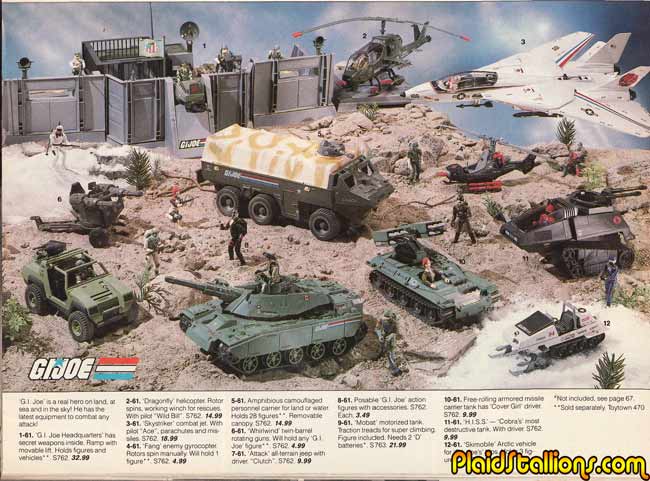
1982 would see the G.I. Joe toy franchise return in a new smaller format of 3.75 inches. These figures were the same scale as the current Star Wars action figures, but with more points of articulation.
Tie-in marketing was pioneered with the G.I. Joe line, as the launch of the new figures was incorporated with the animated cartoon series, as well as an ongoing comic book title.
Ancillary sales were also generated during this time from other merchandise such as lunch boxes, clothing, and role play toys.
Reducing the scale of the figures to 3.75 inches had the additional benefit of allowing Hasbro to design and produce vehicles and play sets for the figures, and this helped drive G.I. Joe as one of the most popular toy lines for boys during it’s run.
The line continued throughout the eighties and nineties until its cancellation in 1994. Though the primary line for G.I. Joe had come to an end, Hasbro would revive the franchise for various limited assortments that were primarily marketed to collectors.
Each of these sub lines ran for a year to four years, and carried on the G.I. Joe line from 1997 until 2009.
A G.I. Joe toy ad from 1982
The Rise of Cobra
2009 was a great year for G.I. Joe fans, as we got to see our childhood heroes on the big screen. For the first time ever, the story of G.I. Joe had been turned into a live action movie.
The movie was directed by Stephen Sommers, and opened to audiences on August 07, 2009. It was number one on it’s opening weekend, and It went on to gross three hundred million worldwide, but received a lot of criticism as well as fan backlash.
One of the most agreed upon negative aspects of the film was the actor Marlon Wayans, whose character Ripcord did not resemble the original character, and spent the entire film attempting to flirt with Scarlett.
There were other aspects of the film that detracted from the original G.I. Joe that fans have come to know and love, and the numbers reflect that.
Hasbro released a product line to coincide with the film’s release which was well received for the most part by collectors, and has gone on to nearly triple in value on the secondary market today.
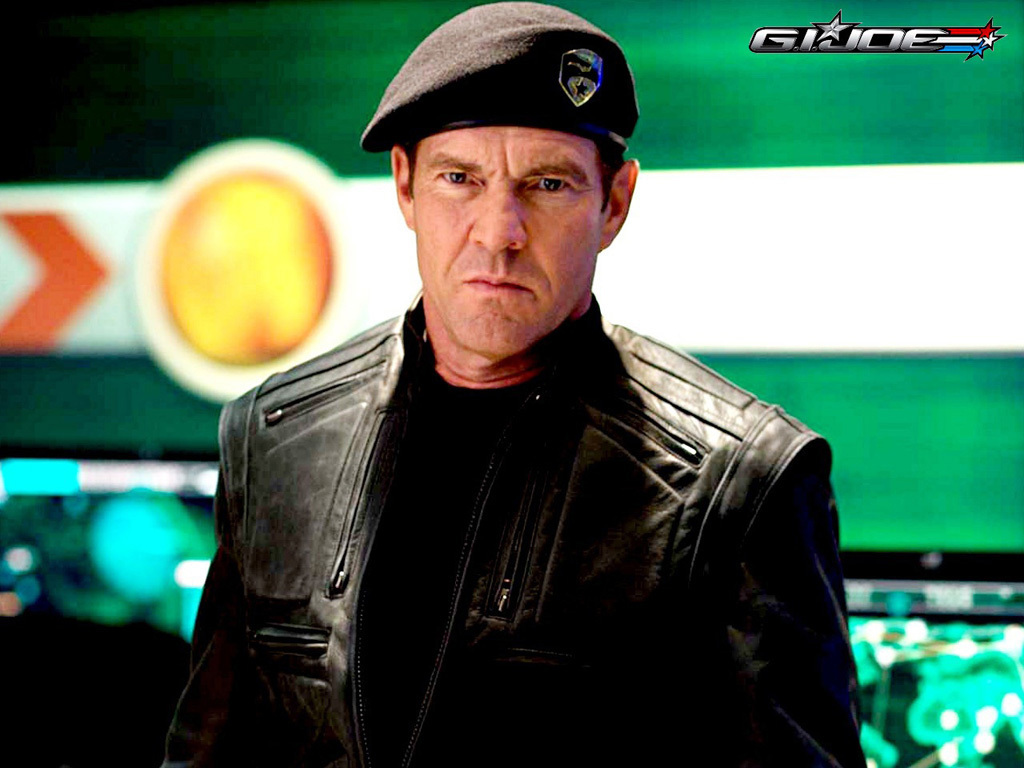
General Hawk from G.I. Joe The Rise of Cobra
G.I. Joe Retaliation
G.I. Joes next outing at the big screen was more of a soft reboot than a direct sequel, which featured new characters and an absence of the overall science fiction aspect that was prevalent in the first film.
It was a more realistic movie, however it suffered from some very critical mistakes. The first problem to arise was the change in directors. John Chu had never directed an action movie, though he is quoted as being a fan of the franchise.
I think this hurt this film severely, and had the studio brought back Stephen Sommers to direct the sequel, I think that a more successful film franchise would have been established.
The next error maxe by the studios was to push back the opening date from June 2012 to March 2013. The stated reasoning was to convert the film to 3D, however rumors gave a different reason.
Due to the late decision to move the release back, the marketing campaign was in full swing, including with Hasbro.
The toy giant had already shipped product to retailers nationwide, and toys were already on store shelves and being sold when Hasbro issued a recall of the merchandise.
It was finally decided to allow current stock to sell down, and toys were re-shipped again in March 2013. The film opened to mostly negative reviews, which did not sit well for the franchise.
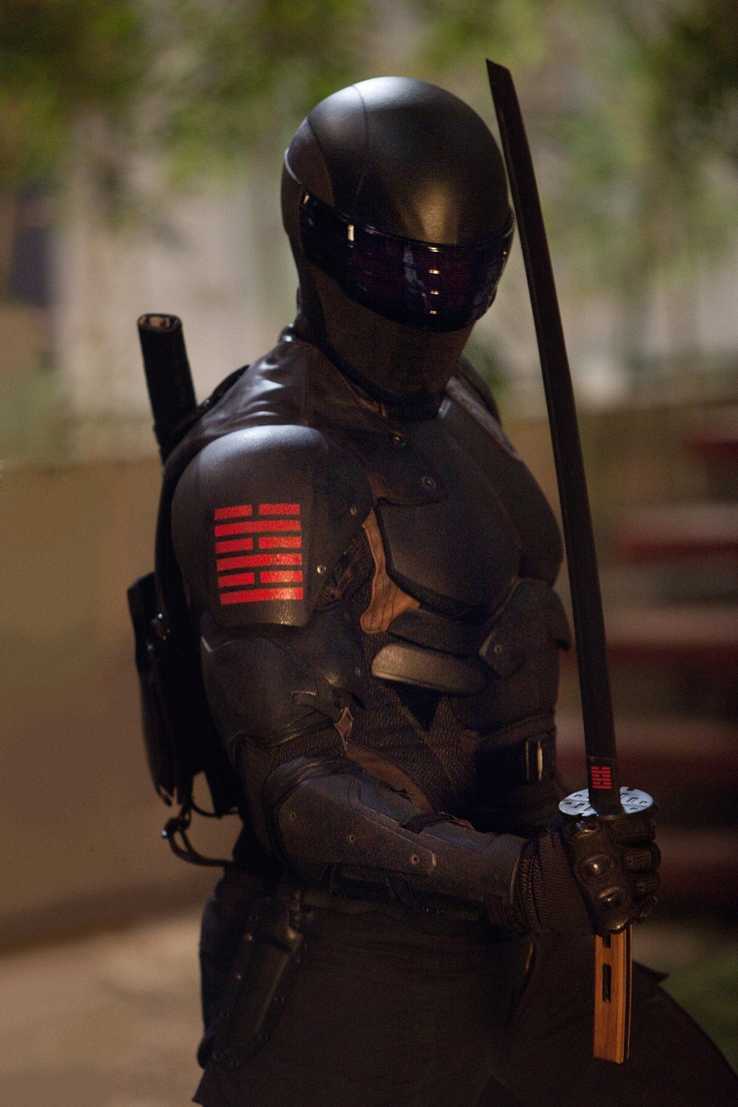
Snake eyes in G.I. Joe Retaliation
G.I. Joe Snake Eyes
With the failure of two major motion pictures based upon Hasbro’s most successful toy line, you can imagine that fans were left feeling disappointed and frustrated.
To compound that, anytime toy sales don’t meet projected goals, then things get cut, and so it has been with G.I. Joe.
To make matters worse, it seems that studio execs haven’t learned anything from their past mistakes, as a third G.I. Joe movie is set to be released this summer.
This time it’s an origin story of the character Snake Eyes, and rather than abide by the character’s origins as creator Larry Hama had written, the character will now be an Asian male, rather than a Caucasian Army Veteran.
I suspect this decision was made to appeal to the Asian film market, rather than to try and reboot the franchise for the G.I. Joe fan base here in America. Fans here are already upset about the decision, and the film hasn’t even finished production yet!
G.I. Joe versus the cultural and political foes
So why did G.I. Joe quietly disappeared from store shelves, and cease to be the cultural icon and best selling boy’s toy line in America?
First, the original cartoon came to an end in 1989, followed by it’s successor in 1991. Shortly there after in 1994 the G.I. Joe Comic series came to an end, and with it the toy line.
Though there have been at least a dozen separate G.I. Joe sub lines released by Hasbro, none of them saw the success that the originals did, and were mainly purchased by collectors.
From a cultural standpoint, the G.I. Joe brand as a whole saw a decline in interest due in part to a change in what young boys were being presented with.
New cartoons and toys with an emphasis on technology steadily became the norm, until cartoons have all but vanished.
Gone are the daily cartoons in the morning before school, and in the afternoon to keep kids entertained. These were both prime slots for brands like G.I. Joe.
The action figure craze of the eighties has been replaced by cell phones and tablets and video games.
Moreover, there has been a fundamental shift away from the ethics and morality that my generation was raised to abide by.
Boys today are not raised or taught to become strong young men and future leaders; rather they are deprived of the masculinity and sense of manhood that we are inherently born with.
God made us to be men and women, and in today’s society people have abandoned that moral compass in favor of pretending to be something that they are not.
In addition to these factors, we have also seen an increase in military conflicts and violent crimes committed with firearms, which no doubt have caused executives at Hasbro and other companies to question the results of producing military action figures and vehicles bristling with weapons.
That in itself is evidence of the mindset of the culture in which we live. In closing, I would say if anything our young children need a positive role model to look up to, and something to give them a sense of right and wrong that they can relate to.
A renewed G.I. Joe cartoon and toy line would be a great way to do that. It would help them see what I saw growing up: good versus evil, right from wrong.
Choices and the consequences, as well as courage, discipline, honor, integrity, and valor. These are the characteristics that G.I. Joe presented to my generation on a weekly basis, and they could again. Now you know, and knowing is half the battle. Yo Joe!
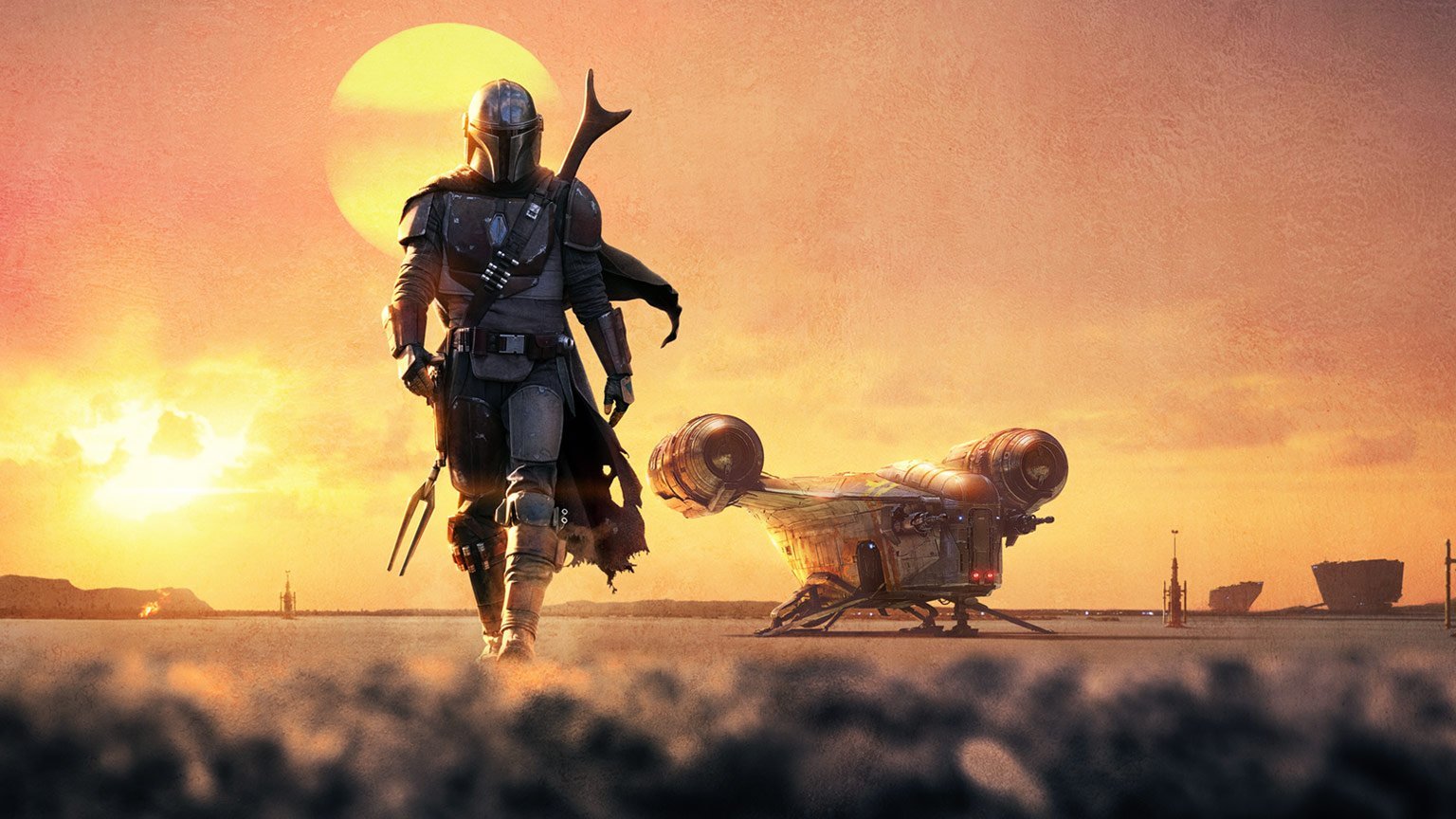
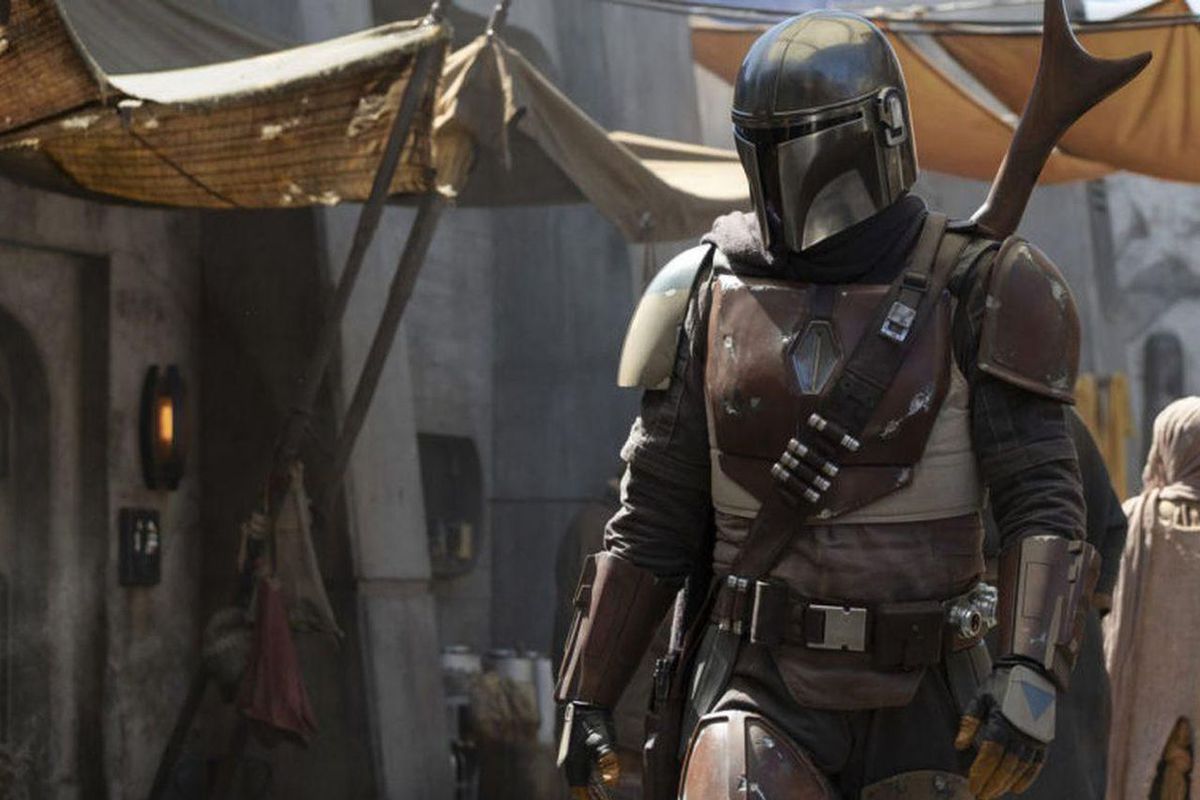
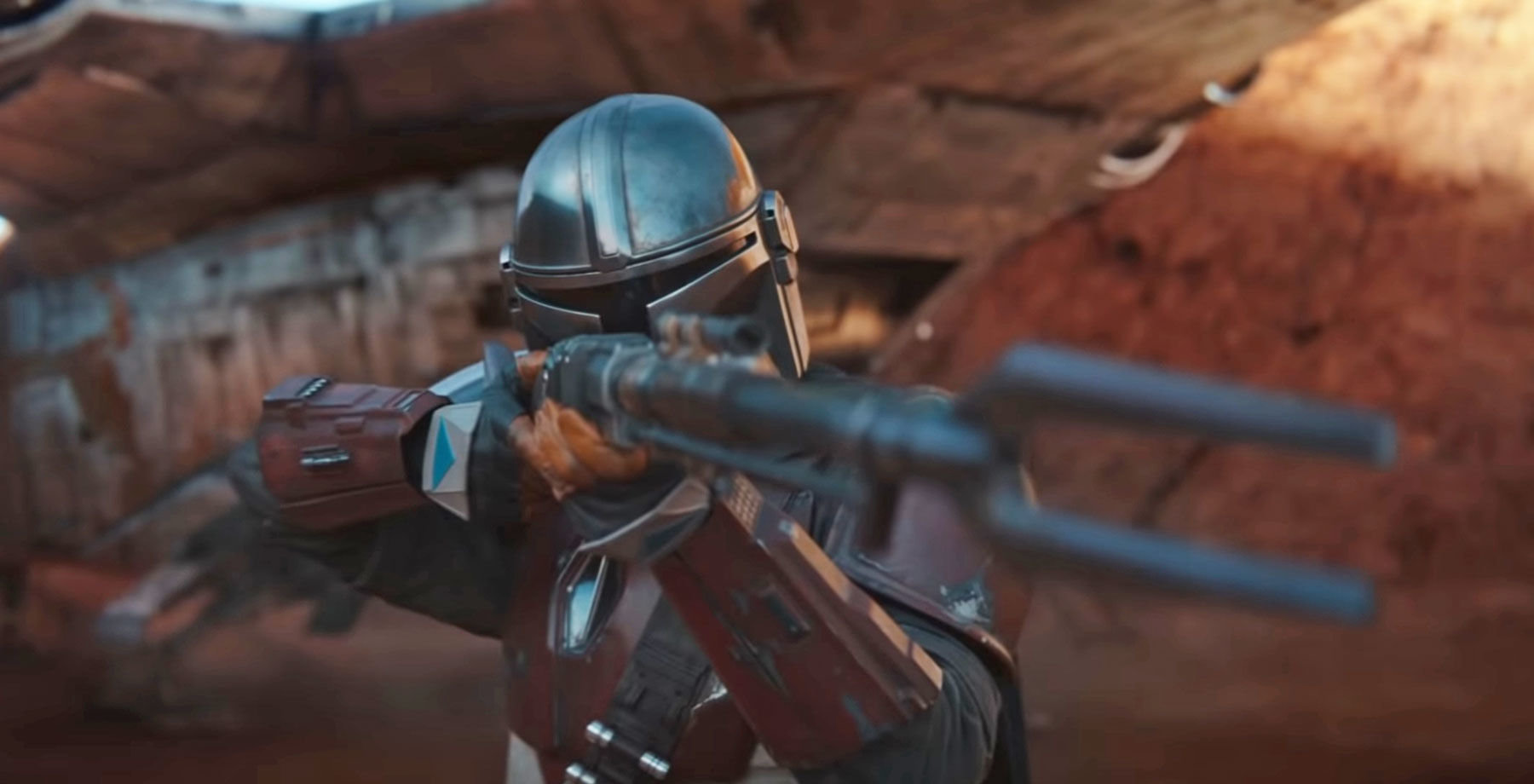
For months now the anticipation and excitement surrounding Disney’s new live action Star Wars series The Mandalorian has permeated social media; but was it all for nothing, or is it a new era in the Star Wars universe?
I first became aware of the project last year, and I began to follow the development of the show through inside sources, who leaked information and set photos from time to time.
I must admit that after reading all of the leaks and news reports surrounding the series that I was both excited and optimistic.
One thing that I saw from the first trailer was the fact that this show appeared to have the creativity and imagination that the Original Trilogy is known for, and that the sequel films sorely lack. These initial impressions were confirmed tonight as I watched the first episode on Disney Plus.
The show is set five years after the events of Return of the Jedi, and thirty years before the events of The Force Awakens.
The galaxy is splintered after the fall of the Empire, as the New Republic seeks to restore freedom and a peaceful, galactic government. The euros in the Outer Rim however, remain hostile, lawless, and unpredictable.
The opening sequence of The Mandalorian brings us face to face with a character who is both new, and yet familiar. Wearing Beskar armor similar to Boba Fett, we see our protagonist standing in the midst of an icy waste land, with a tracking device in hand.
His actions and demeanor don’t disappoint, as we follow the anti-hero on a quest that takes him to unsavory worlds where he meets with people that we don’t trust, and neither does he.
There are dark tones of desperation, and lighter moods of well balanced humor. All of it feels and looks like the Star Wars created by George Lucas.
Indeed, there is a wild west type atmosphere to what we see in The Mandalorian. There are dusty streets occupied by vendors, with the poor living in the shadows. It’s a desperate time for all, and many have chosen to profit from it any way they can. The Mandaloria. is the ultimate gunslinger, and his presence commands everyone’s attention.
I have to say that The Mandalorian has quickly become a personal favorite, simply because it is so authentic and real!
While watching the show I could picture myself living in that kind of environment, on a particular world. I didn’t get that with the sequels.
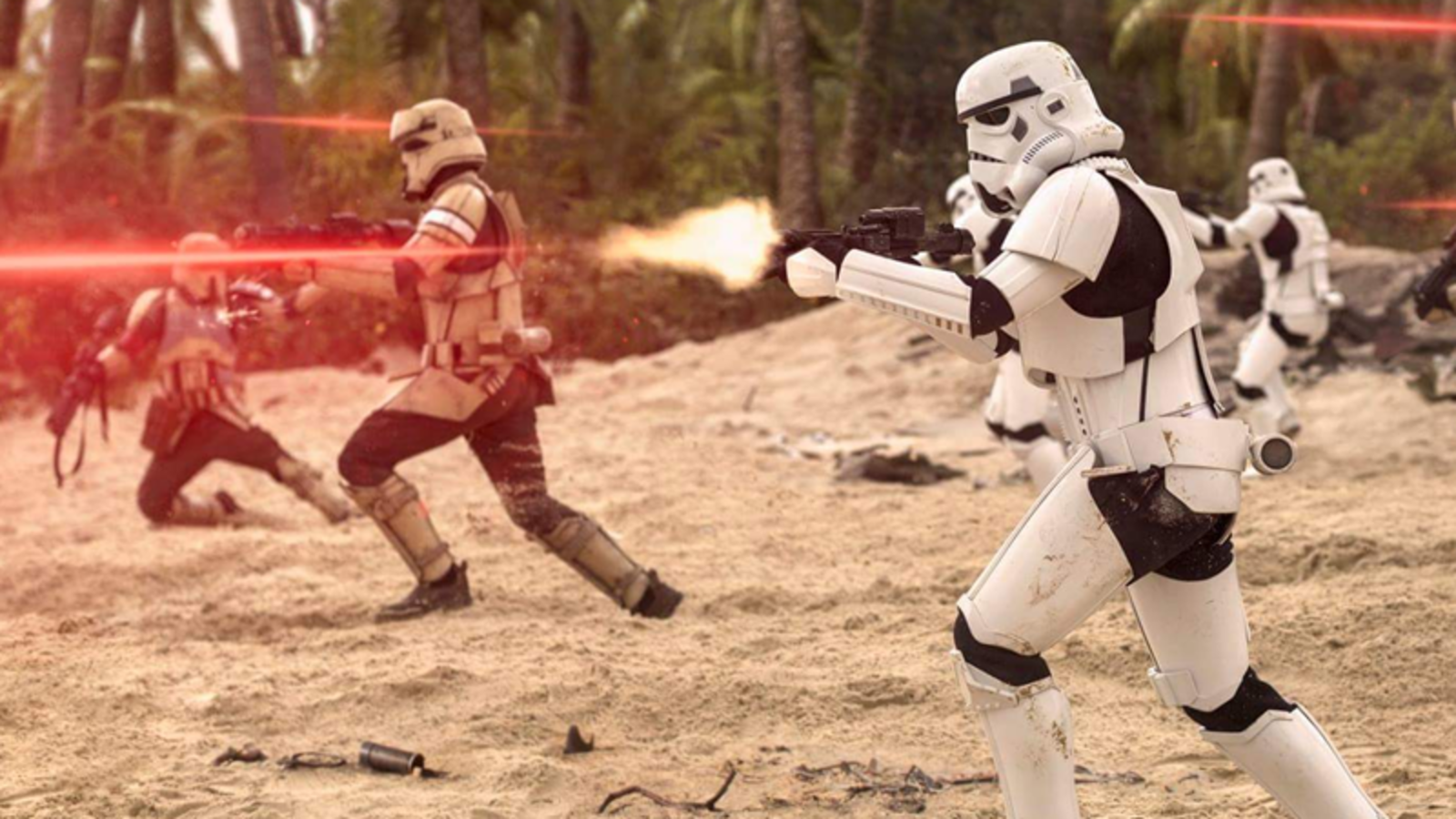
The only modern entry into the Star Wars franchise that is on level playing field is RogueOne.
The Mandalorian delivers a well thought out story, and features great acting and great cinematography. Most of all, it takes us back to that era a long time ago, in a galaxy far, far, away where we were all captivated by Star Wars. Perhaps now, we can be captivated once more.
The weapons used in the Star Wars films are as iconic as the characters that weild them, and often leave us intrigued about their design and origin.
Today I am going to share some of the real world weapons that have served as the basis for many of the props used throughout the Star Wars saga.
The Original Trilogy
Beginning in 1976 with filming of A New Hope, the prop armorers at Pinewood had to develop realistic blasters that reflected an in universe feel to them.
George wanted weapons that appeared real in their form and function, while also being rugged and well worn. For this the armorers turned to surplus weapons stores.
Most of the weapons they selected were from World War One and World War Two, AB’s were British and German in origin.
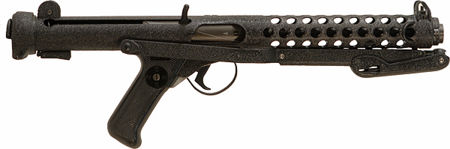
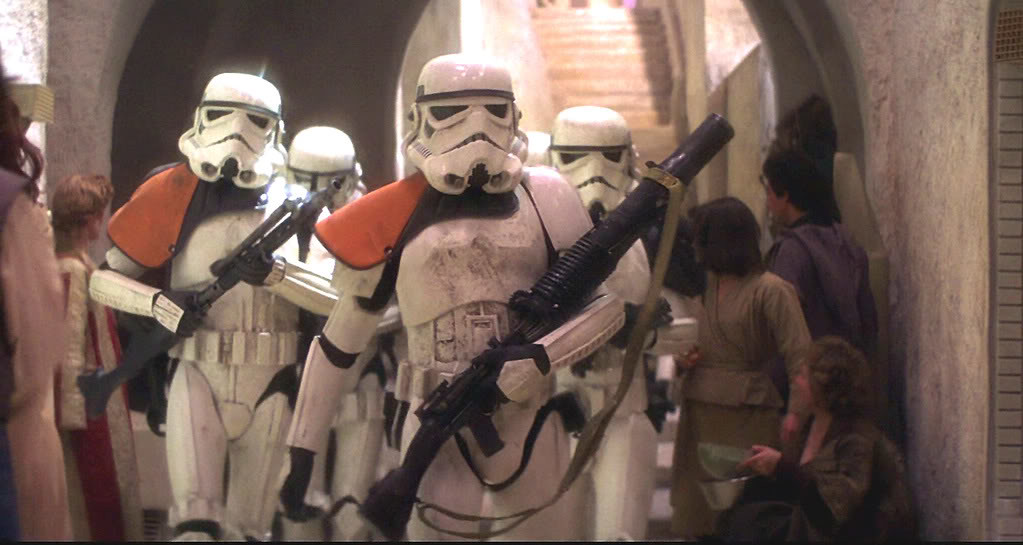
One of the most prominent was the Stormtrooper blaster, which was designed around a British Sterling L2A3 Mark 4 submachine gun. This post- WW2 era weapon was used by the British Military from 1953 until 1994.
The Sterling L2A3
It featured a collapsible and folding stock, as well as a side mounted magazine well to accept a thirty round curved, box magazine.
To make the Imperial Blastech E-11D used by the Stormtroopers, the props department added linear shrouds over the barrel.
They left the stock as is, while adding greeblies to the side of the weapon, and they used WW2 tank scopes for the sights. The thirty round magazines were replaced with short, straight mags For screen use.
For the Rebel Fleet Troopers the armorers made their Blastech DH-17 blasters by utilizing the same Sterling machine gun.
They removed the barrel shroud and replaced it with a shop made prop barrel, and they also removed the folding stock and magazine well.
An extra rod was attracted to the top of the receiver, and a single point scope was added to most versions of the weapon.
Princess Leia’s Drearian Arms Defender sporting blaster was built around a Russian .22 target pistol with a modified barrel.
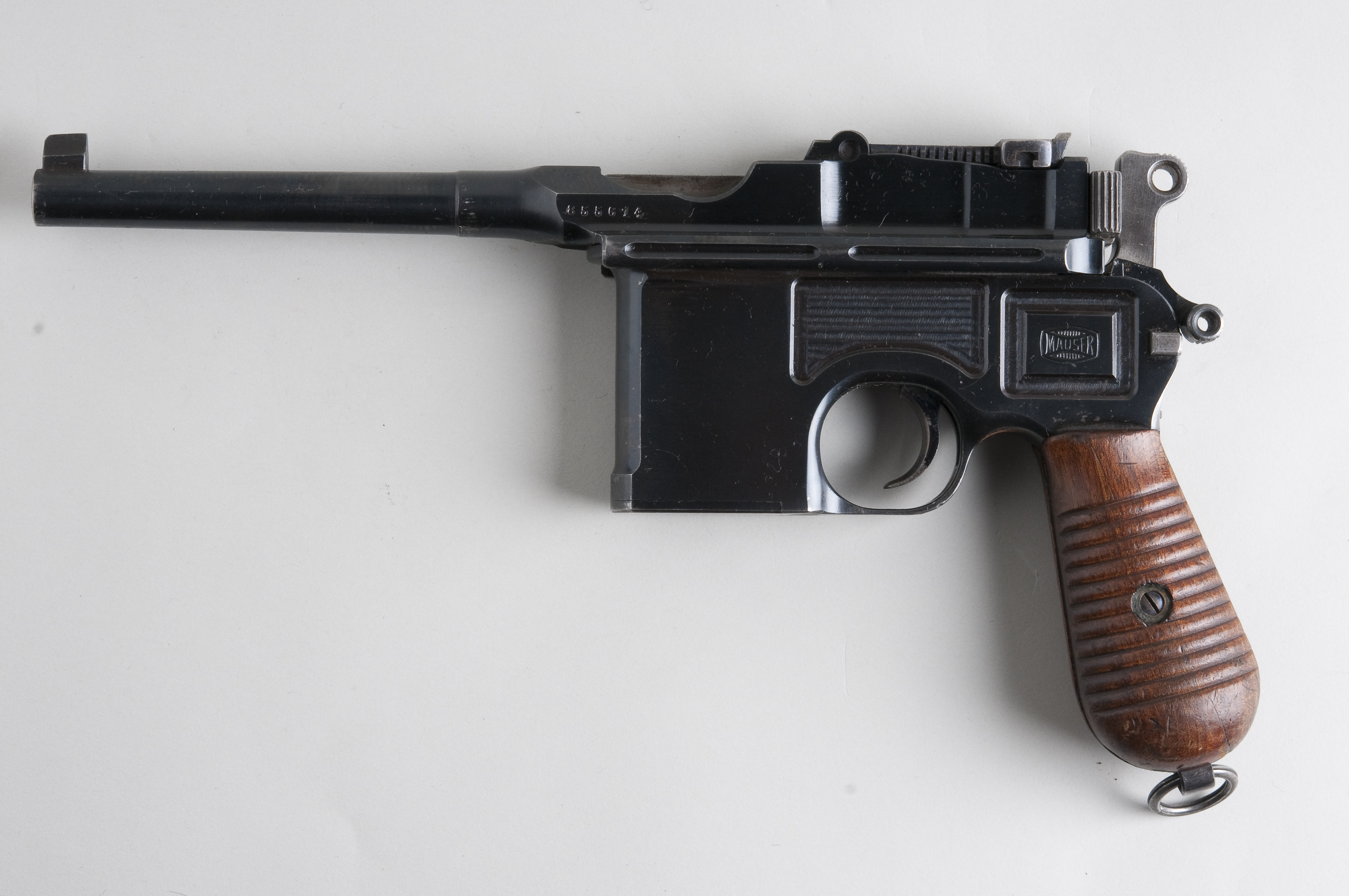
Han Solo’s iconic DL-44 Blaster was based on a WW2 C96 Mauser. It too, featured heavy modifications with a muzzle device, a heat sink in front of the mag well, and a side mounted targeting scope.
This particular prop had three different versions used by Solo in each of the three films. All had slightly different barrels and muzzle devices, and different scopes.
C96 Mauser used for the DL-44 Blaster
Ponda Baba’s blaster was an SE-14c ( Also used as a sidearm by the Death Troopers in Rogue One ) which was made from a Swiss Rexam Favor Mark 5 submachine gun.
The barrel and stock were removed, while an extension was added to the rear of the receiver, as was a scope.
The Stormtroopers patrolling Mos Eisley were all armed with modified MG34s, MG42s, and at least one trooper with a modified Lewis Machine gun.
Stormtrooper carrying a Lewis Machine gun
In The Empire Strikes Back we see the Rebel ground forces carrying Blastech A295 carbines, which are modified versions of the German MP44 machine gun.
Later in Return of the Jedi, the Rebel soldiers are seen carrying the A280, which was made from a cast of the M-16 rifle.
Boba Fett is seen carrying a unique blaster, which actually began as a Webley & Scott No.1 Mark 1 37mm flare gun. The end of the barrel was plugged, and greeblies were added as well as a scope.
Rogue One
In Rogue One, the Rebels primary weapons are again based on the M-16. This includes Cassian Andor’s Blastech A280-CFE, as well as the larger A310 rifles and A300 carbines used by the Rebel Pathfinders.
Jyn Erso’s iconic Blastech A180 blaster is actually a modified Luger 9mm Airsoft pistol. A larger diameter ported barrel has been added, along with greeblies on the bottom and sides of the weapon. Interestingly, Jyn’s blaster is modular, however we never see it configured as a rifle on screen.
Jyn Erso’s A180 Blaster pistol
Functionality
During production of A New Hope and The Empire Strikes Back, most of the weapons fired blanks to assist with visual cues for the actors, as well as aiding the visual effects artists during post-production.
This was not continued during filming of Return of the Jedi. It is however, used again during Rogue One, in the form of airsoft guns.
The image below captured during filming shows Jyn Erso firing her A180 blaster pistol at a Stormtrooper.
You can clearly see the gases being vented around the charging handle as the action cycles during firing.
Jyn Erso firing her A180 blaster
Conclusion
These are just a few examples of the real world firearms that have been used by the props department of both Lucasfilm and Pinewood Studios to create the weapons of the Star Wars films.
The armorers took inspiration from the tragedies of warfare, and designed an array of space age blasters that would go down in cinematic history.
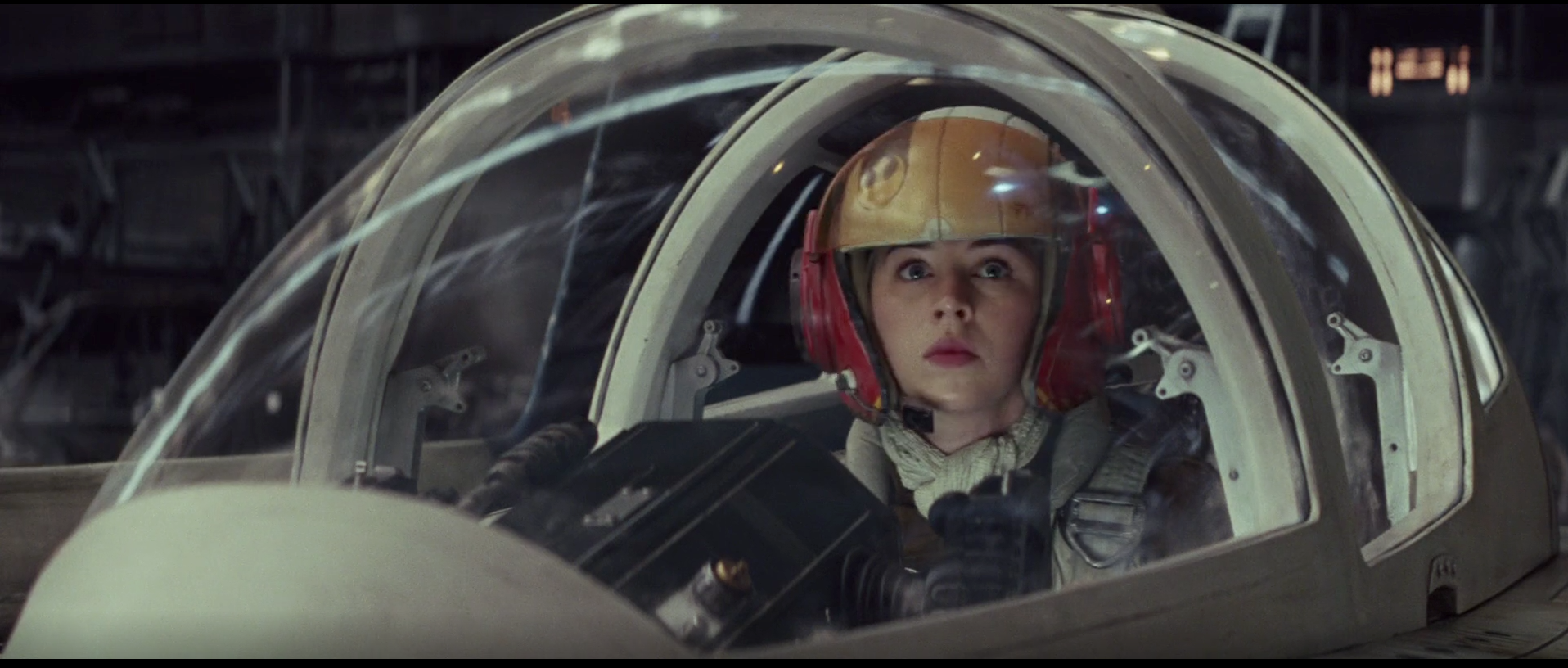
In Star Wars The Last Jedi we are introduced to a young A-Wing pilot with the Resistance, Lieutenant Tallison “Tallie” Lintra.
Tallie is a squadron leader from Pippip three, where she learned to fly from her father, who used an old RZ-1 A-Wing as a crop duster.
Tallie is mature for her age, and a competent leader, but unfortunately she only gets twelve seconds of screen time before she’s seemingly killed.
Yep, that’s right: one of the newest and most fascinating characters of the entire film buys the farm when a concussion missile fired by Kylo Ren detonates inside the hanger bay of the Raddus.
The question is, did she and the other pilots really get killed? To answer that, we need to examine the factors involved with this incident.
First, we will look at the weapon being used, then at the Raddus itself. Finally we will examine Tallie’s A-Wing fighter to determine what if any chance she had to survive.
Concussion Missiles
Starfighters are generally equipped with weapons designed around ship to ship engagements, such as medium or heavy laser cannons.
These weapons are normally supplemented by kinetic energy weapons such as concussion missiles, mag pulse warheads, and proton torpedoes.
The assortment and type of weapons payload depends upon the size and type of fighter, and what role it is designed for.
In The Last Jedi, Kylo Ren is flying a TIE Silencer, which is an updated and more heavily armed variant of it’s predecessor, the TIE Interceptor.
The TIE Silencer was designed to both engage enemy fighters, as well as capital ships. The Silencer is equipped with four Concussion missiles, and Kylo Ren flies into the Raddus‘ amidships area, which protects the hanger bays, before firing two of these missiles.
Kylo Ren firing concussion missiles
We see on screen as both missiles penetrate the magnetic field and detonate inside the hanger bay. The Concussion missile is designed around a solid penetrator they can pierce a ship’s hull, before the warhead itself detonates.
The destruction is caused by the concussion wave from the blast, as it rapidly expands outward in all directions.
The Raddus
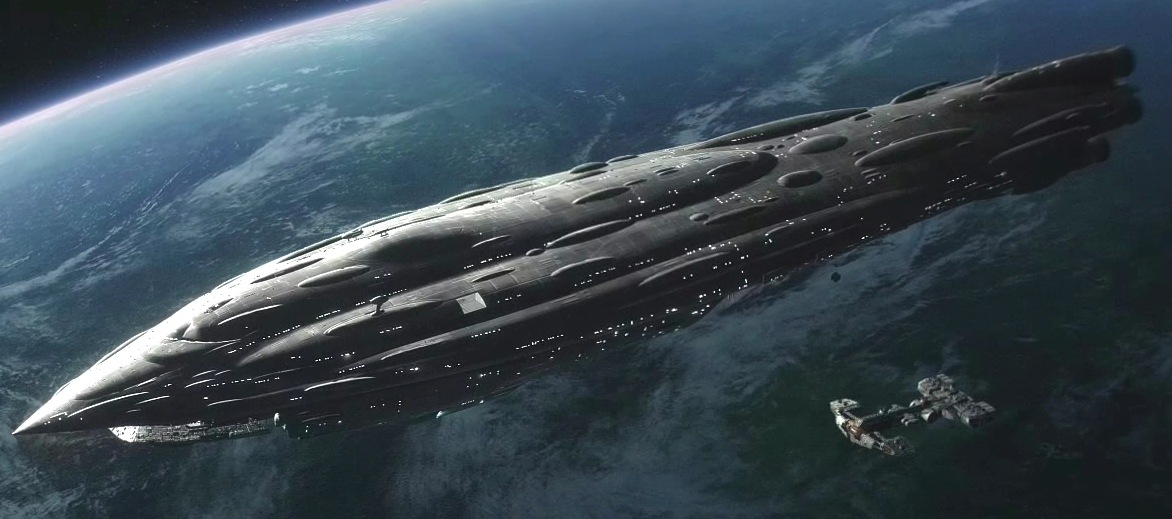
The Raddus was an MC85 Mon Calamari star cruiser, purpose built for the New Republic Defense fleet as a warship.
It was larger than the preceding MC80c class, better shielded, and heavily armed. After it was retired from service during the New Republic draw down, it found it’s way to the Resistance as a gift from the Mon Calamari government.
The Raddus was equipped with a newer, experimental shielding that could withstand heavy bombardment from enemy weapons.
The Raddus
It’s weakness was in the hanger bay. When it was attacked by Kylo Ren, both of his concussion missiles struck the interior bulkhead of the hanger bay before detonating.
The delayed detonation instantly ignited nearby fuel cells and munitions, which in turn destroyed most of the vulnerable fighters on the flight deck.
Had the missiles simply detonated inside the hanger, the resulting blast would not have caused the same amount of damage.
In either case, the blast would have destroyed the magnetic field, opening up the hanger to the vacuum of space, which would have instantaneously extinguished any fires In the bay.
At the same instant the ship’s systems would have detected the pressure and temperature change, instantly sealing the blast doors to the hanger bay.
Detonation inside the hanger
Tallie’s A-Wing
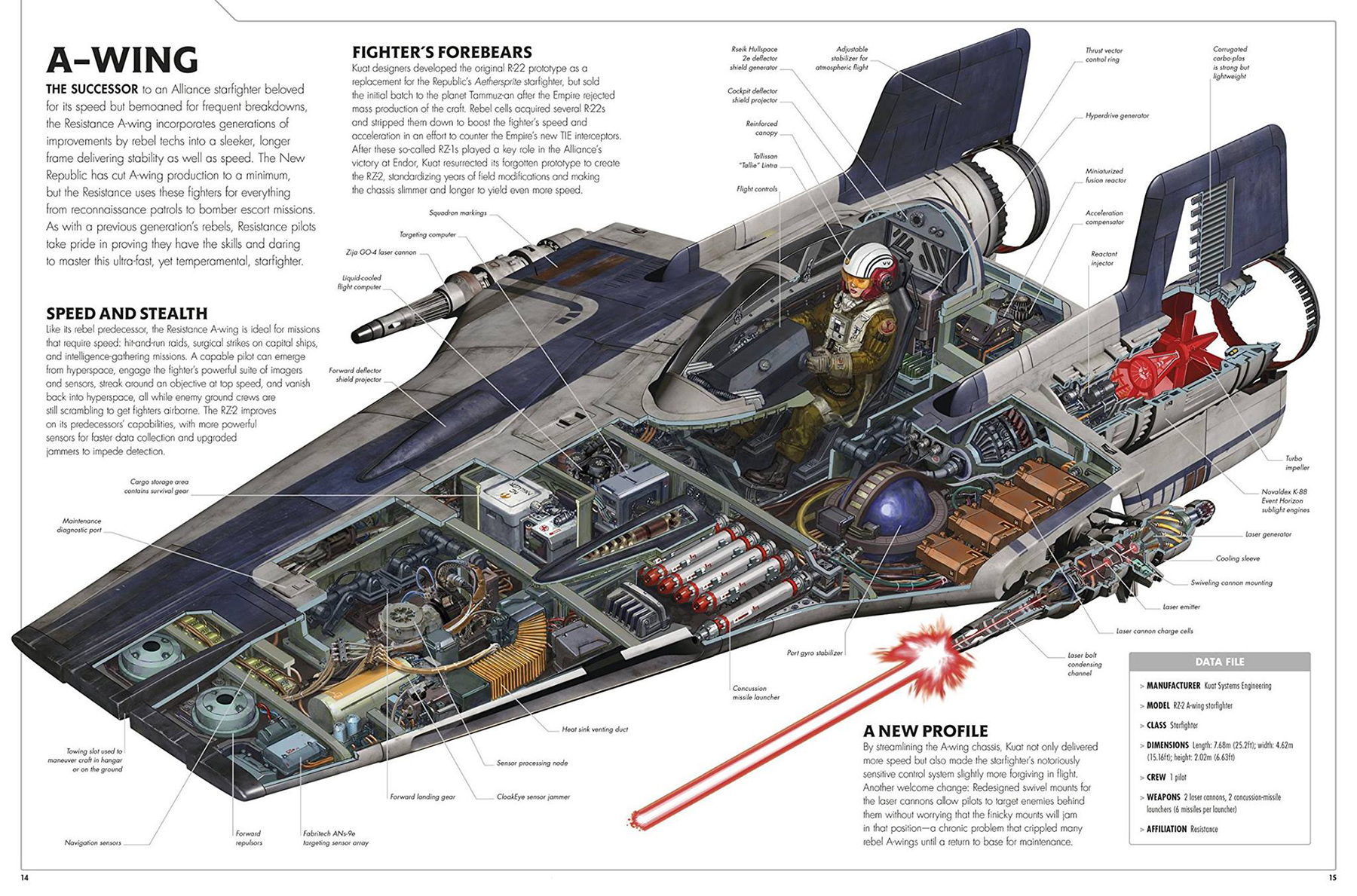
Tallie Lintra was flying the RZ-2 A-Wing Interceptor, the latest evolution of the ship designed by Kuat Systems Engineering.
Among other features, the RZ-2 incorporated a reinforced canopy, and armored hull. The cockpit was also protected by it’s own individual deflector shield generator.
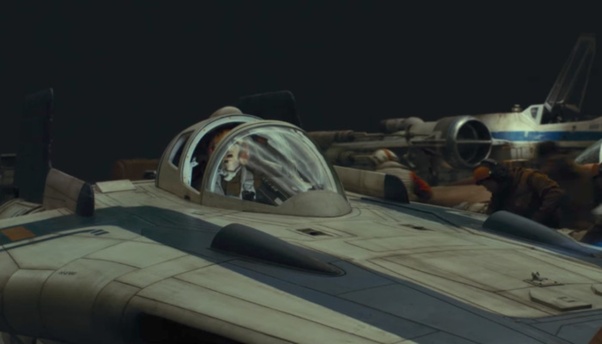
On the flight deck, it’s unlikely that Tallie would have powered up the deflector shields, however she did have her canopy sealed.
Another advantage was in the positioning of her fighter; it was parked beside Poe’s X-Wing, near the back of the hanger bay.
Tallie’s A-Wing positioned inside the hanger
During the attack scene, we can actually see Tallie’s A-Wing as it is slid across the deck, slamming into the bulkhead before the blast doors automatically sealed.
So what happened to Tallie Lintra? What we aren’t shown on screen is that as soon as those blast doors closed, the hanger bay was exposed to the vacuum of space to extinguish the fire inside of it.
The instantaneous depressurization of the hanger bay would have blown everything inside of it out into open space, including Tallie’s A-Wing.
RZ-2 A-Wing schematic
The most logical conclusion is that Tallie was not killed, merely renderd unconscious from a concussion.
She and her fighter would have drifted out into space along with the other debris. The First Order would not have considered inspecting the debris field, as their objective was to annihilate the Resistance fleet.
As for her fighter, the hull most likely was intact, but not flyable. Presuming that the cockpit remained pressurized, Tallie would have had enough oxygen onboard to survive for roughly thirty six hours before succumbing to oxygen deprivation.
So technically, Tallie could have survived. The question is, did she? If you want to find out, you’ll have to wait for the upcoming novel Rebel Strike to be released. Good luck, and May the Force be with you….
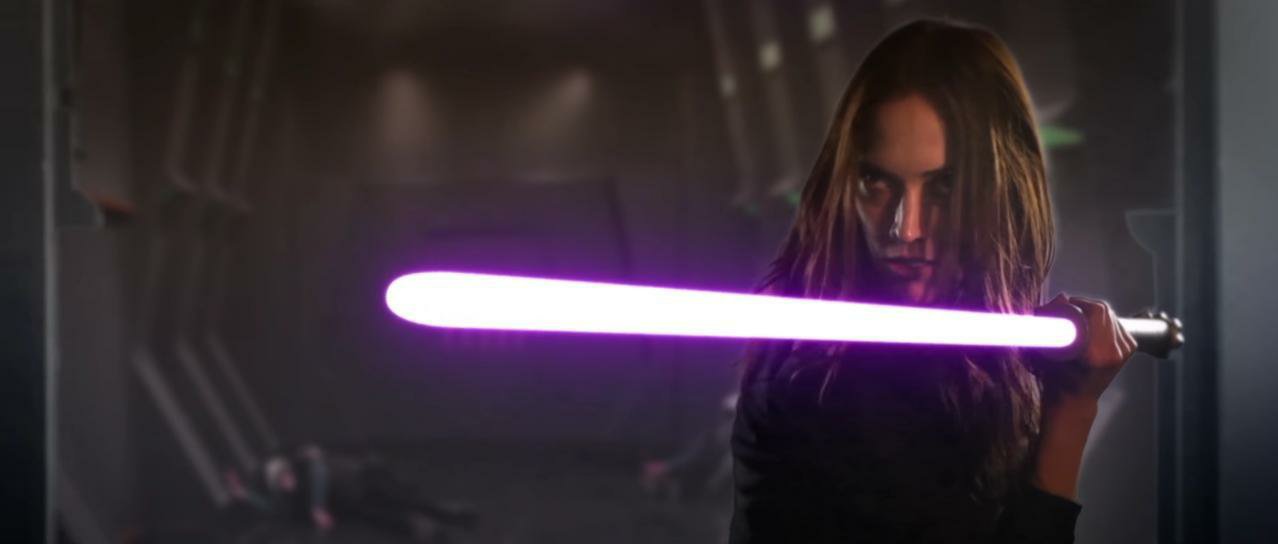
Actress Jaci Twiss as Jaina in Legacy of the Force
In 2015 Star Wars fans returned to a galaxy far, far, away to continue the journey of the Skywalker Saga with Episode VII The Force Awakens.
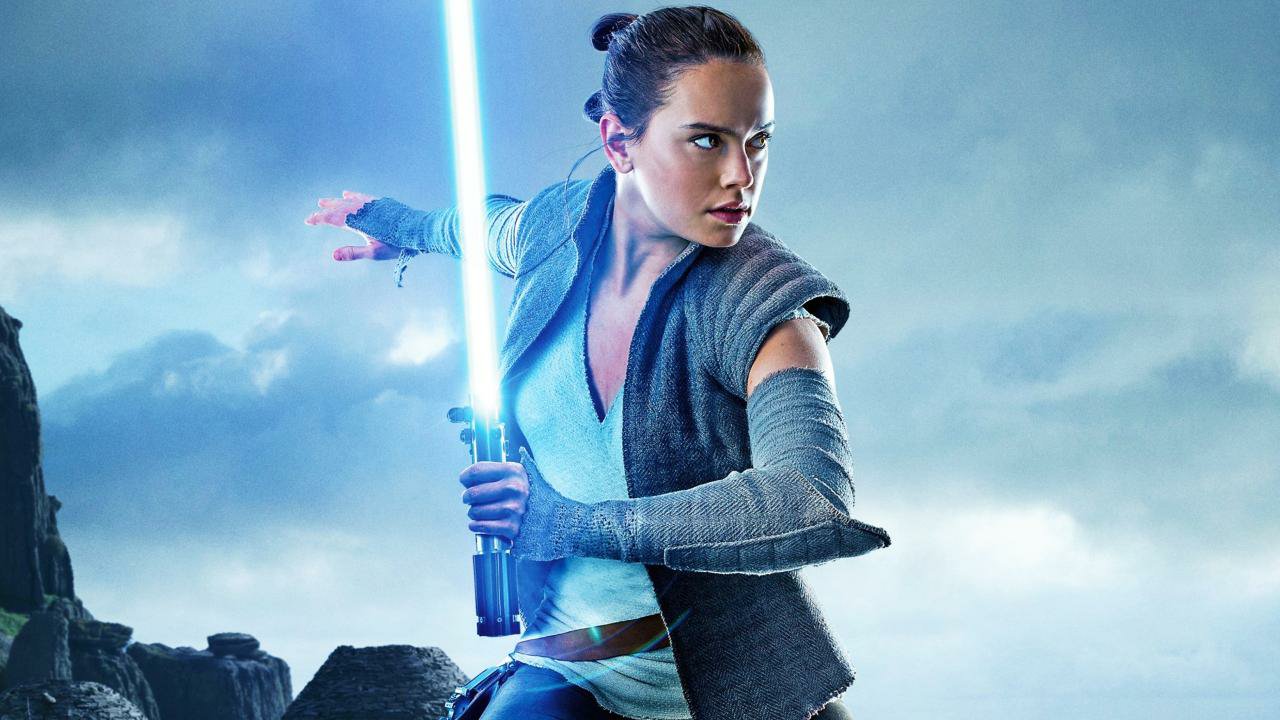
In this film we are introduced to a new protagonist in the character of Rey, a nineteen year old girl who survives as a scavenger on the desert world of Jakku.
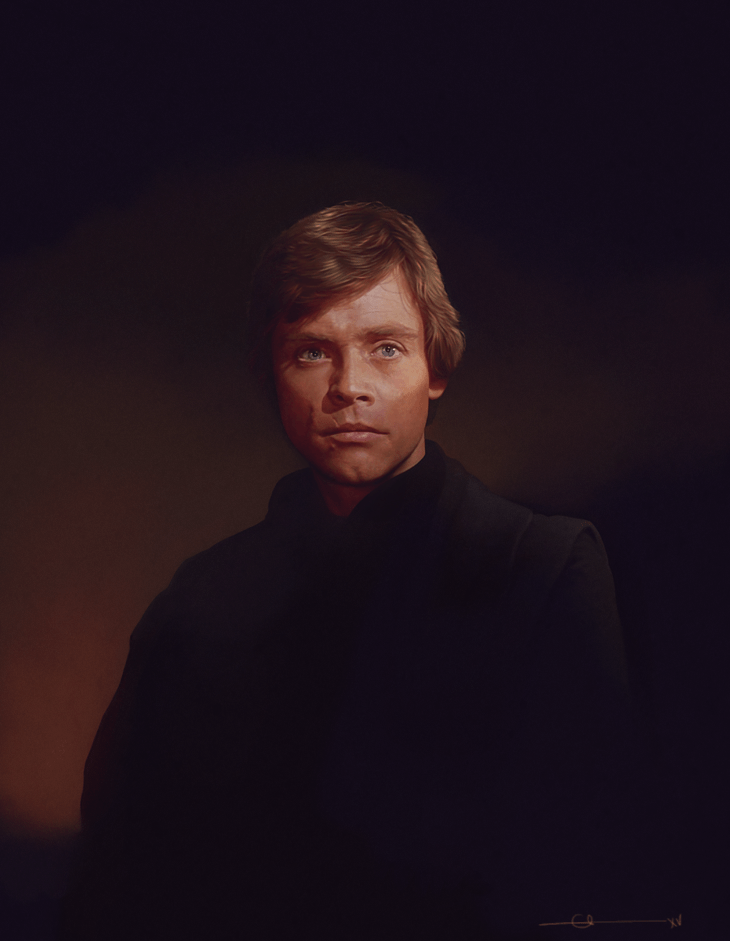
We see in Rey many reflections of the legendary Luke Skywalker, Jedi Knight and hero of the Republic.
We also glimpse familiarities with Han Solo. As her journey continues, we see the potential for Rey to be an heir of the Force; but is that really who she is meant to become?
Rey also shares some stark similarities with another heroine, not so different from Rey herself.In this week’s blog, I want to introduce readers to a fan favorite from the Expanded Universe, who may have served as the inspiration for Rey.
I also want to provide readers with a comparison of the two characters, while allowing them to determine for themselves who really is an heir of the Force.
Before there was Rey
Beginning in 1993 fans were introduced to the children of Han and Leia Solo in Timothy Zahn’s novel The Last Command.
The oldest of the two children were twins, Jacen and Jaina Solo. Both children were strong in the Force, and went on to train with their uncle, the Jedi Knight Luke Skywalker.
Both of the Solo children would become Jedi Knights, with Jaina especially becoming pivotal within the new Jedi Order formed by Luke Skywalker.
It would be Jaina which in later years was forced to confront her twin brother Jacen after he turned to the dark side and became Darth Cadeus.
She would find help from an unlikely ally in Boba Fett. Aging and retired, Boba Fett used his knowledge of lightsaber combat to help Jaina attain skills that she previously did not have.
She would go on to face her brother again, and defeat him being forced to take his life. Her actions would push Jaina dangerously close to the dark side herself.
Jaina Solo battles Vestara Khai
A Parallel unrivaled
Both Jaina and Rey share nearly identical qualities in that they are both intelligent and head strong, Force sensitive, skilled mechanics and pilots.
They both are also skilled with a lightsaber. They both have played with the dark side of the Force, and walked away from it. This is where the similarities seem to end; or do they?
While Jaina’s character has a twin brother, Rey apparently is an only child, whose adversary is in Ben Solo.
While Jaina has a clearly defined path and upbringing from the beginning, Rey seems to be an abandoned girl left on a desert world, almost as a slave to Unkar Plutt.
Where Jaina is a natural leader, Rey is just a simple girl who is beginning to learn how to fight.
Rey training on Ach-To
Both women are purpose driven characters which can not only carry the plot within the story, but they themselves become a plot of sorts on their own.
Both are nearly identical, and yet different, which leads us to consider what these characters mean in the greater narrative of the Skywalker legacy?
First, regardless of Disney and Lucasfilm choosing to rebrand the Expanded Universe material as non-canonical, we will continue to have these stories with us.
They are, with the exception of a few instances, within a solid structure and timeline which is more widely accepted and enjoyed by older fans.
It is another means by which fans can enjoy the Skywalker legacy, which continues far beyond the stories told in the original trilogy.
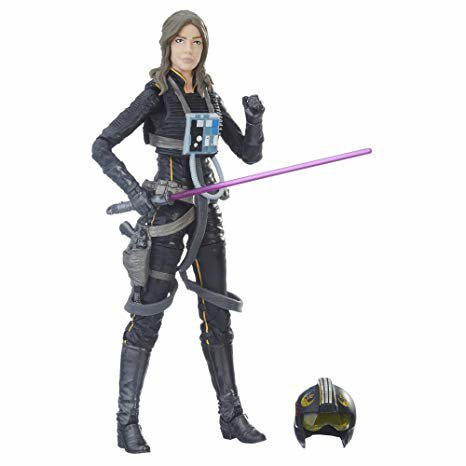
Jaina’s story is just as tangible as Rey’s, having recently been released by Hasbro as an action figure in it’s Black Series line.
Both the reception of fans to the figure, as well as it’s unforseen sales were a welcome surprise to Hasbro’s marketing team.
The figure ended up selling more units than they anticipated. That one factor speaks volumes from the fan base. I should know, I own two of them!
Jaina Solo Black Series Action Figure
With Rey, we see many possibilities, and few if any facts. Disney and Lucasfilm have used her character to fuel the fire so to speak in order to attract a newer, younger generation of fans.
They specifically have marketed her to young girls. They have used her character to play upon the feminist agenda and movement, and to great effect. What they have failed to do with Rey is give us hope.
Hope in what you ask? Hope in a new generation of Skywalkers who would carry on the ways of the Force.
At every opportunity they have denied Rey’s lineage, and even denied that Rey is a Jedi Knight. If not a Jedi, then what is she?
Rey has remained a mysterious plot device, which could very well having a far more negative effect upon the franchise in the future.
In my opinion Disney and Lucasfilm should have accepted the Expanded Universe material as George Lucas had, and used these existing charcters to continue the Skywalker Legacy.
It would have made for an emotional tipping point in Star Wars history, and been a far better means to honor the writers who have devoted their lives to this franchise.
Rey’s story will continue with Episode XI, and perhaps then all of the loose and tangled threads of the sequel trilogy will come together to form a more satisfying conclusion.
As for Jaina, we may never know if she served as the inspiration for Rey’s character, but what is apparent is that though they share similarities, they are worlds apart.
Perhaps one day we’ll learn that it was Jaina that was meant to be in George Lucas’ sequel trilogy. If so, I can only imagine where she would have taken us.
When the teaser trailer for The Rise of Skywalker was released, I have to say that I was both excited and skeptical.
Could Episode XI bring us any hope? Could this film potentially undo all of the damage done by the mistakes of the previous two films, and somehow restore the glory to the Star Wars franchise?
Would Lucasfilm demonstrate to the fans that it’s still about the story, and not about the money? In all honesty, I don’t know.
I have heard a lot of good things during production, and I think that there may be elements of fan service there, but the one thing fans have cried out for the most, seems to be out of reach.
The fact that Rey most likely is not Luke Skywalker’s daughter will be a very tragic mistake for these films, and worse yet if she really does turn out to be a nobody.
To title the film The Rise of Skywalker and she not be a Skywalker is in my opinion, click bait of the worst kind. If she did turn out to be Luke’s daughter, then that single fact would make this journey worth the wait.
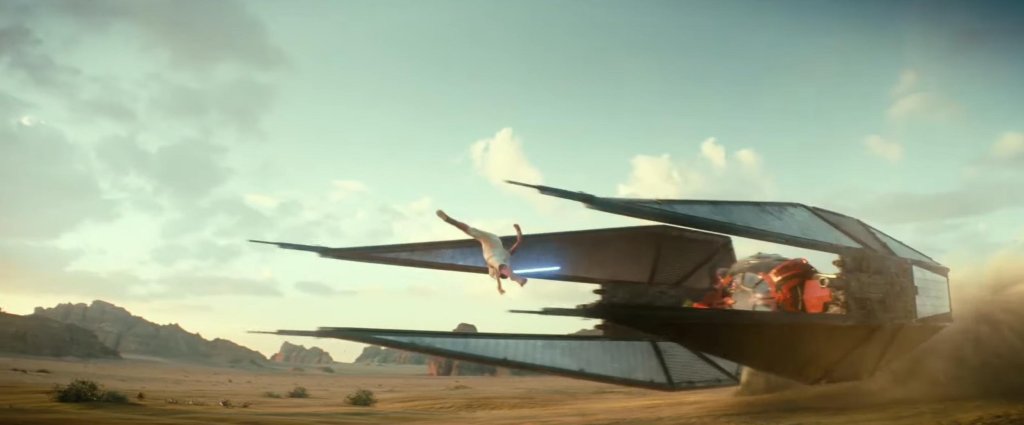
Rey attacks a new TIE fighter in Star Wars The Rise of Skywalker
We already know that Ben Solo is by blood, a Skywalker, but the film has never really been about him; or has it?
Is there a deeper connection between Ben and Rey as some have suggested? Or is this too, simply the rumor mill at play?
Mark Hamill stated about a year ago that he had read George Lucas’ script for the sequels, and they were a much different story than what we have been given by Disney.
I took his tone to imply that he approved of them as well. Though we may never know what his story entailed, I have been given one solid piece of information about them, and that is Luke Skywalker dies in the final film.
It would have been a far more appropriate way to close out the story of the Skywalker family, and an appropriate way to honor the actors involved.
To kill off major characters in each film, is simply writing them out of the story for the sake of a convenient plot point. It bypasses the gravity of the character, and what they mean to the larger narrative at work.
I do believe that Episode XI will feature great action sequences, and that sense of adventure that we have come to see in these new Disney era films, but I cannot believe at this point that it alone will redeem the sequel trilogy.
I hope that I am wrong, and that Lucasfilm surprises us all, but I simply cannot allow myself to believe in that, based upon what we have already know.
If popular culture is anything, then trends speak volumes, and Google trends has a lot to say right now about Star Wars.
According to a recent article by the website JediBusiness, their research into current analytics show that interest in The Rise of Skywalker is at an all time low.
That is not good news for this franchise. Why you ask? First, it speaks volumes about Disney and Lucasfilms marketing campaign and strategy.
What role will Ben Solo play in The Rise of Skywalker? And will he ultimately be redeemed like Anakin?
They made a mistake by waiting months to reveal the teaser, and we have yet to see a full trailer. In addition, The Rise of Skywalker will not be featured at San Diego Comic Con this year.
In my opinion, that is a serious mistake. SDCC is THE annual event if you are a fan of anything fantasy/ sci-fi. To exclude what is marketed as the biggest film of the year from that event, means something is wrong.
Furthermore, this is the final chapter of the Skywalker Saga, and the last Star Wars film scheduled for several years.
Nothing about this adds up. Perhaps Lucasfilm has an aggressive marketing strategy planned to coincide with Triple Force Friday, the premier event revealing tie-in toys for the film, but not everyone will be interested in that.
Many fans are new to the franchise, and are simply wanting to be entertained, and enjoy a great film.
It leaves many questions unanswered, and points to The Rise of Skywalker possibly not being the success that Disney might want it to be. I hope that I am wrong, but at this point nothing can be ruled out.
Final thoughts
It has been a lifelong journey for most of us, and I believe that George Lucas set out to tell a story, and he devoted his life to that purpose.
Along the way his company expanded into a four billion dollar plus operation, that has been involved with every form of entertainment and media.
His dream of completing his vision for Star Wars continued in 1995, as work began on what would become the Special Editions.
Behind the scenes, a new trilogy of Star Wars films had secretly begun development as well. The Prequels were not well liked or received by some, and the backlash from fans both angered and hurt Lucas.
He vowed to never make another Star Wars film again. In my opinion, I could empathize as to why he was hurt, and I also believe that this may have played a part in Lucas’ decision to sell Lucasfilm to Disney.
Now that the franchise has been sold, I see changes both good and bad. Had we gotten Lucas’ version of the sequel trilogy, I believe that they would have been critically successful, and gone down in history as some of the most emotional stories ever seen in a film.
Unfortunately, that isn’t where we are. Good or bad, failure or success, The Rise of Skywalker has completed principal photography, and is destined for theaters in December.
I hope that it delivers a powerful story that resonates with us all, and brings all of the films together in a meaningful way.
I hope that it isn’t just a fan service move by Disney, or viewed as only a marketing tool to rake in the revenue. Somewhere, I hope that deep in the hearts of everyone involved, that they care as much about this story as we do.
In the end, whatever this film may bring, Star Wars will live on, and the hope that it inspires in us all will continue to exist beyond these films.
Perhaps one day we can look back, and read a different account of these stories, that was never made. It would be a fitting way I think, to say goodbye to the Skywalker legacy, and Star Wars as we know it.