
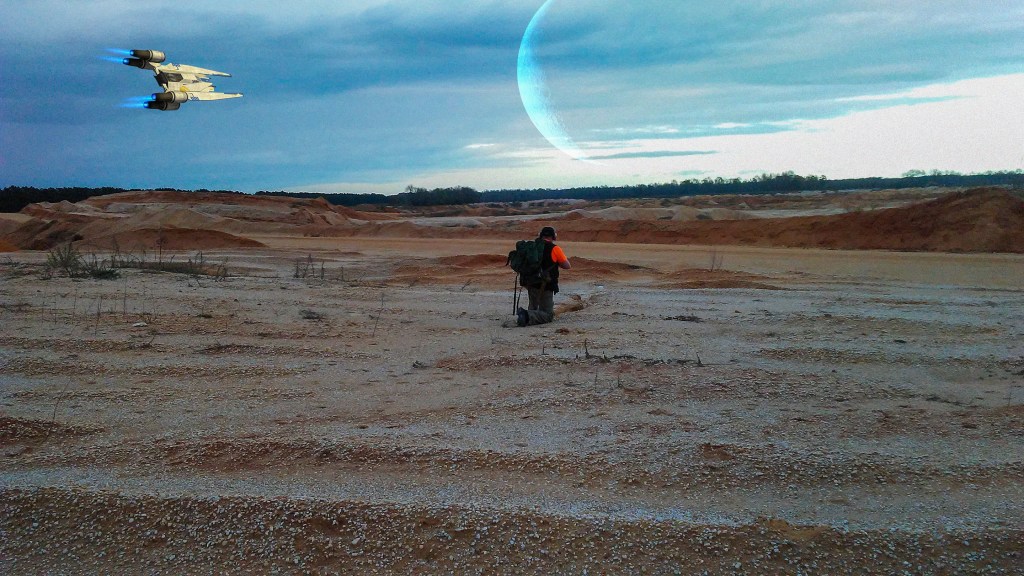
Somewhere in the Northern highlands of Bothawui, two operators from the Rebel Alliance traverse across mountainous terrain in the freezing cold of winter. They are being hunted by Imperial forces across the continent, who have no idea who they are looking for.
All they know is that someone is responsible for the deaths of dozens of Imperial spies, and they have left no trace of evidence behind. What the Imperial Garrison on Bothawui isn’t aware of, is the fact that they are pursuing members of the Alliance SpecForces.
These are highly skilled and trained operators who specialize in surgical shooting. They are experts in asymmetric warfare, close quarters combat, and unconventional tactics. They have been operating alone on the planet for months, disrupting the activity of the Imperial Security Bureau, or ISB.
Their mission is to eliminate High Value Targets, or HVTs, operating for the Empire, and to intercept intelligence on Imperial operations. Having succeeded, they have recently become compromised by the loss of a local contact, and are now moving to a pre-determined extraction point for pick up.
The success of missions like this are contingent upon the experience, knowledge, skills, and training of the individual operator. Often these missions require SpecForces to operate alone, or in small teams behind enemy lines for extended periods of time.
They must be able to adapt to dynamic environments and situations, while making decisions on their own, under stress. It requires a level of discipline and maturity that each candidate must already possess long before they reach selection.
The Assessment and Selection course for the SpecForces begins on a back water world, far in the Outer Rim, away from the prying eyes of the Empire. Here, candidates have been assembled for the first time, arriving from their respective commands from across the galaxy.
Two hundred soldiers from across the ranks of the Alliance are bunked in portable barracks out in the middle of a barren wilderness. Their introduction to selection begins with an informal brieifng by the cadre’, whom say no more than needed.
The shock of informality is more than many can handle, as they have grown accustomed to the disciplined lifestyle of the rank-and-file forces. Their reliance upon rigid discipline, tight schedules, and fixed methods soon comes unraveled in the silence of selection.
Here there are no instructors barking commands, detonating pyrotechnics, or simulating attacks. There is only a holo board outside of the barracks with a location and time for the next event. Many have no idea what to expect, and fewer still are able to accept that as the new norm.
Selection begins on day one with a standardized physical fitness test and surprisingly, this as far as some will get. The others will move on to more intense pain and suffering, designed to interpret their commitment to such austere conditions.
Four man patrols are forced to carry two-hundred-kilogram logs as they run up and down nearby hillsides in the cold mountains. They ford nearby streams with their burden on their shoulders, as they are forced to continue moving towards their next objective.
There is no screaming or yelling from the Cadre’; there is no encouragement or support offered. Only calm and concise instructions, followed by silence. They move alongside the candidates, watching each one carefully, and deciphering who will make it, and who will not.
They pay closer attention to those who are moving in silence, enduring the pain and the stress, with no audible complaint or frustration. These candidates are probed even further in the days and weeks ahead. As the ruck marches begin, the constant physical exertion takes it toll, as candidates are dropped or quit day by day.
By day twenty-eight only a handful of candidates will remain for the final exercise. They are beyond physical exhaustion and pain, which is ever present. For these few, they have learned to become comfortable being uncomfortable. They have conditioned themselves to compartmentalize the confusion, exhaustion, and pain.
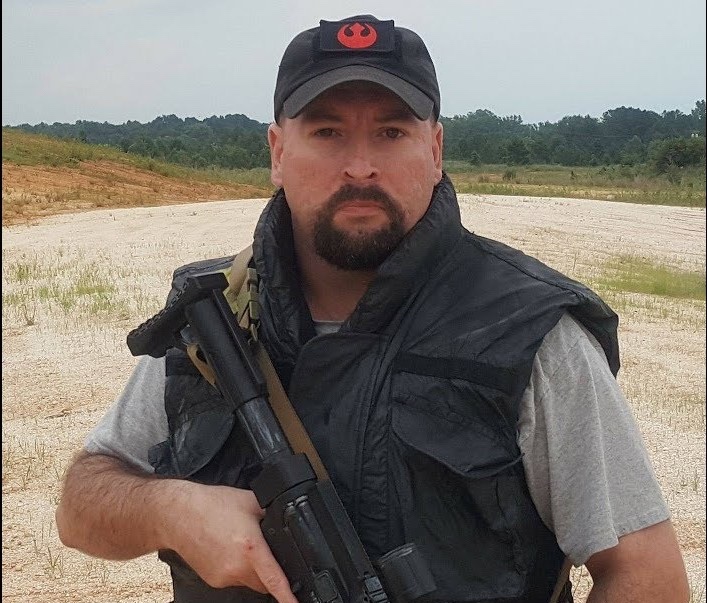
They have endured several hundred kilometers of forced ruck marches across the mountains day and night, for three consecutive weeks. They have completed tasks with conditions and standards, while exposed to the unforgiving elements of cold, heat, and water.
Now they must begin their final movement: a forty-kilometer land exercise, while carrying a fifty kilometer rucksack, and a three kilogram rifle, over mountainous terrain. The candidates know that there is a time limit; they just don’t know what it is. This means that they will be forced to move as quickly as possible throughout the night.
Seventeen hours and a dozen RVs later, only eight candidates of the original two hundred remain, to complete assessment and selection. Their bodies are on fire with pain, with several having micro fractures in their ankles. The warmth of a campfire and hot food do little to assuage the emotions that they experience.
Though they have survived the physical challenges of selection, the next day will bring them face to face with their peers. Here they will be subjected to a three-hour psychological interview, conducted by the cadre’ to understand how each person thinks.
Some will be turned away and offered the opportunity to repeat selection in the future. A few are allowed to continue the process and are flown to another site. Here they will spend the next six months learning how to become the best shooters in the Alliance. They will learn close quarters combat, or CQC.
They will be taught how to use encrypted communications equipment, and how to slice Imperial computer terminals. They learn how to infiltrate Imperial facilities, and how to blend in with a planet’s local populace. They will be taught how to call in orbital air strikes, and how to render medical aid.
Half of those who begin their training phase will fail, leaving just two to succeed. They have learned that selection is a never-ending process, and that success is an individual effort alone.That process has kept them alive as they skirt across the mountains on Bothawui.
They have moved nonstop for hours, remaining below the ridge line in order to conceal their presence from Imperial fighters flying above. It takes them just twelve hours to make their RV, or rendezvous point. They locate the small freighter, tucked away in the tree line. As night falls, they remove the camouflage netting draped over it and begin their flight back to their Unit.
Their mission complete, they leave as silently as they arrived. There is no boasting, and there is no ego among their ranks; only the need to collapse in a seat and rest. As the ship takes off, it races across the landscape, before climbing back to the stars. Below, the Imperials are left with more questions than they have answers.
 Dark Horizon Creations